

Stress and anxiety are natural responses to life's pressures, whether from school, work, or personal relationships. While occasional stress can motivate us, persistent stress and anxiety can impact our mental and physical health. Understanding how to manage Stress and anxiety is essential for maintaining balance and overall well-being. At Calm Minds Hub, we aim to provide practical, evidence-based strategies to help you navigate everyday challenges with confidence and calm.
Understanding Stress and Anxiety
Stress is the body’s response to a challenge or demand, often triggering a “fight or flight” reaction. Anxiety, on the other hand, is characterized by persistent worry or fear about future events. While related, stress is usually temporary and situation-specific, whereas anxiety can linger even in the absence of immediate stressors.
Common Causes of Stress and Anxiety
- Academic or work-related pressures
- Family conflicts or relationship struggles
- Financial difficulties
- Health concerns or medical conditions
- Major life changes such as moving, job loss, or starting a new school
Recognizing the root causes of stress and anxiety is the first step in addressing them effectively.
Signs and Symptoms of Stress and Anxiety
Stress and anxiety can affect both the mind and body. Common signs include:
- Feeling restless, irritable, or overwhelmed
- Difficulty concentrating or making decisions
- Trouble sleeping or staying asleep
- Muscle tension, headaches, or stomach issues
- Rapid heartbeat, sweating, or shortness of breath
Being aware of these signs can help you take action early, preventing stress and anxiety from escalating.
Daily Stress and Anxiety Support Strategies
Managing stress and anxiety requires a combination of lifestyle habits, mental techniques, and supportive routines. The following strategies are practical, easy to implement, and grounded in research.
Mindfulness and Meditation
Mindfulness involves paying attention to the present moment without judgment. Practicing mindfulness can reduce rumination and anxiety by helping you focus on what you can control.
- Example: Set aside 10 minutes daily to sit quietly, focus on your breath, and notice your thoughts without reacting.
- Case Study: A high school student struggling with test anxiety found that daily meditation reduced panic episodes before exams and improved concentration.
Physical Activity and Exercise
Exercise releases endorphins, which are natural mood boosters. Regular physical activity can decrease stress hormones like cortisol.
- Engage in at least 30 minutes of moderate exercise most days of the week.
- Activities like walking, swimming, or yoga can be especially effective.
Healthy Sleep Routines
Lack of sleep can intensify stress and anxiety, creating a vicious cycle. Establishing a healthy sleep routine supports emotional regulation and cognitive function.
- Maintain a consistent bedtime and wake-up time.
- Avoid caffeine and screens at least one hour before sleep.
- Create a calming bedtime ritual, such as reading or listening to soft music.
Balanced Nutrition
Eating a balanced diet can stabilize energy levels and mood, reducing stress-related irritability.
- Include whole grains, lean proteins, fruits, and vegetables.
- Limit processed foods, sugar, and excessive caffeine.
- Stay hydrated throughout the day.
Deep Breathing and Relaxation Techniques
Breathing exercises can quickly calm the nervous system, helping you regain control during stressful moments.
- Technique: Try the 4-7-8 method—inhale for 4 seconds, hold for 7, exhale for 8. Repeat 4 times.
- Analogy: Think of your breath as a reset button that refreshes your mind and body.
Journaling and Self-Reflection
Writing down thoughts and feelings can clarify worries and provide a safe outlet for emotional expression.
- Example: Each evening, jot down three things that caused stress and three things you are grateful for.
- Benefit: Journaling can help identify patterns and triggers, enabling more effective coping strategies.
Social Support and Communication
Connecting with trusted friends, family, or support groups can reduce feelings of isolation and provide perspective.
- Tip: Share your concerns openly with someone who listens without judgment.
- Case Study: An employee experiencing work-related anxiety found relief after joining a peer support group, learning coping strategies from others with similar experiences.
Limiting Stress Triggers
Identifying and minimizing unnecessary stressors can prevent emotional overwhelm.
- Limit exposure to negative news or social media.
- Break tasks into smaller, manageable steps.
- Prioritize responsibilities and set realistic goals.
Professional Support
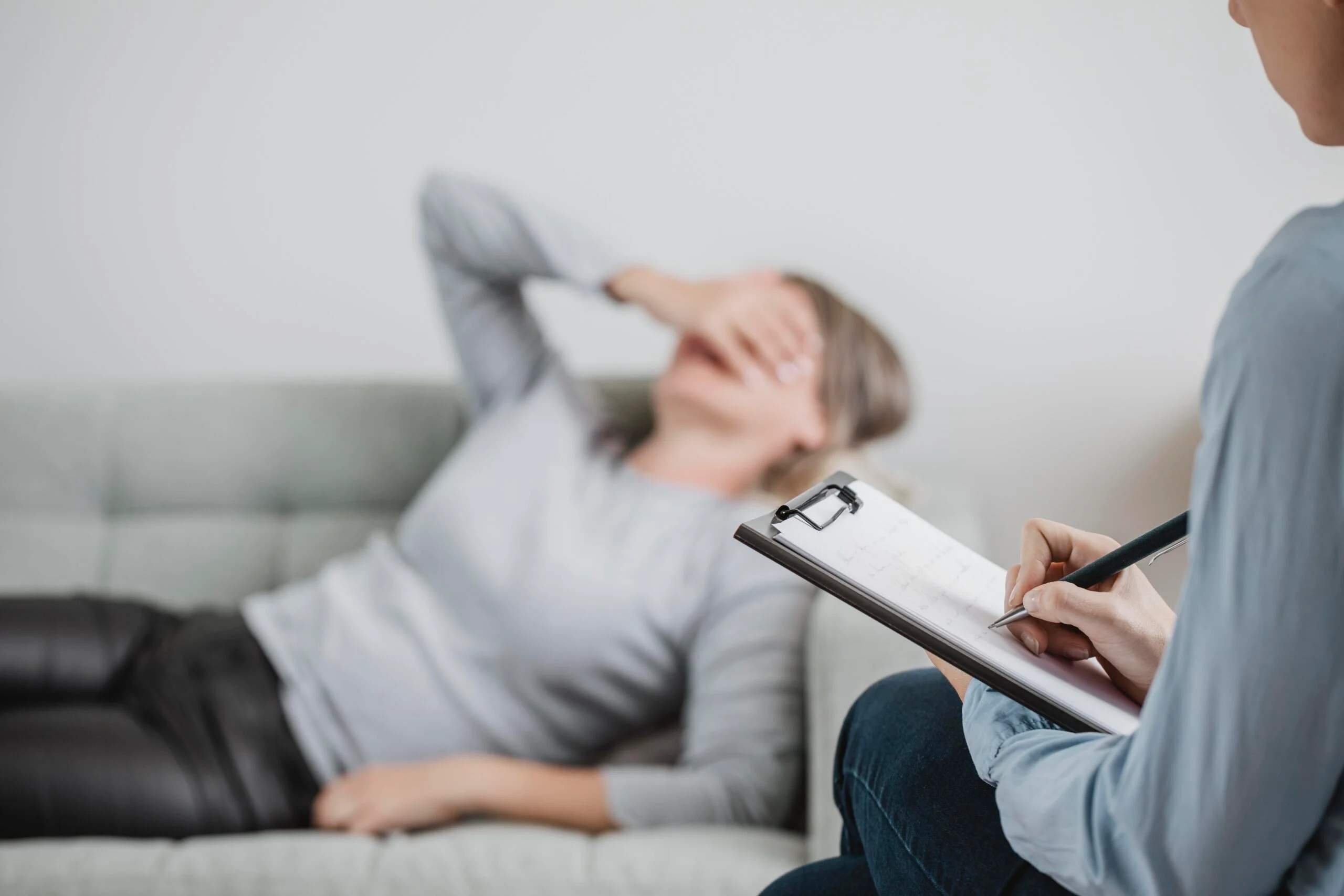
Seeking help from a counselor, therapist, or healthcare provider is important when stress and anxiety interfere with daily life. Professionals can provide coping strategies, therapy, or medication if needed.
- Real-life Example: A college student experiencing chronic anxiety benefited from cognitive-behavioral therapy, learning practical tools to challenge negative thoughts and manage panic episodes.
Integrating Stress and Anxiety Support Into Daily Life
Consistency is key. Applying multiple strategies together creates a stronger support system:
- Morning routine: Start with mindfulness or light exercise to set a positive tone.
- Throughout the day: Use deep breathing during stressful moments, eat balanced meals, and take short breaks.
- Evening routine: Reflect through journaling, connect with loved ones, and maintain healthy sleep habits.
By integrating these techniques, stress and anxiety can become more manageable, allowing you to focus on personal growth and daily responsibilities with calm and resilience.
Real-Life Scenario: Managing Stress at School
Consider Sarah, a ninth-grade student balancing schoolwork, extracurricular activities, and family responsibilities. Sarah often felt overwhelmed, leading to insomnia and headaches. By incorporating daily meditation, short exercise sessions, and journaling, she gradually reduced her stress levels. Additionally, discussing challenges with a school counselor helped her develop a practical schedule and time-management strategies. This combination of self-care and professional guidance enabled Sarah to approach daily challenges with confidence and composure.
Conclusion
Stress and anxiety are natural parts of life, but they do not have to control your well-being. By understanding your triggers, recognizing symptoms, and consistently applying evidence-based strategies like mindfulness, exercise, healthy sleep, and social support, you can manage everyday challenges effectively. Remember, seeking professional help is a sign of strength, not weakness. Implementing these strategies allows you to cultivate emotional resilience, balance, and a healthier mindset, empowering you to navigate life’s challenges with calm and clarity. Navigate effortlessly by returning to our clean, organized homepage.
FAQs
What are simple daily strategies to reduce stress and anxiety?
Simple strategies include practicing mindfulness, engaging in regular physical activity, maintaining healthy sleep routines, journaling, and connecting with supportive friends or family. These techniques help stabilize mood and reduce emotional tension.
How can I tell the difference between stress and anxiety?
Stress is typically a temporary response to specific challenges, while anxiety is a persistent feeling of worry or fear that may occur even without a clear cause. Recognizing the pattern and duration of your symptoms helps differentiate between the two.
When should I seek professional help for stress and anxiety?
If stress and anxiety interfere with daily functioning, sleep, relationships, or cause significant emotional distress, it is important to seek professional support from a therapist, counselor, or healthcare provider. Early intervention can prevent escalation and improve coping.