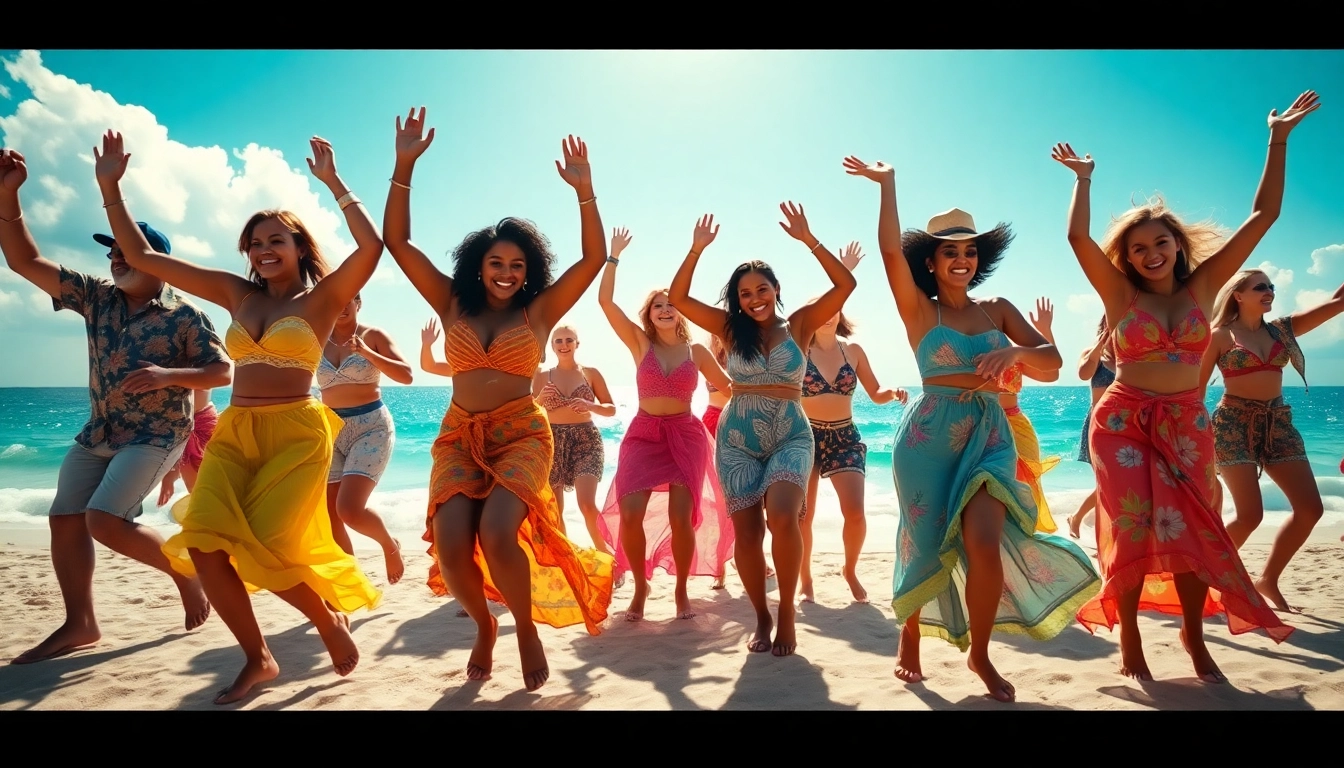
Understanding the Carolina Dance Culture
History and Origins of Carolina Dance
The Carolina Dance is a vibrant social dance that is deeply rooted in the culture of the Carolinas, particularly South Carolina and North Carolina. Its origins can be traced back to the late 1940s and early 1950s when it emerged from a mix of African American, American jazz, and rhythm and blues dance styles. Initially known as the "shag," this dance form grew alongside the burgeoning beach music scene, which blended rock and roll, R&B, and soul. Over the decades, the Carolina dance evolved, shifting from a purely local pastime to a dance style celebrated nationally and internationally. The influences of jazz music, swing dancing, and the regional beach culture played significant roles in shaping the Carolina Dance. As beach music gained popularity in coastal areas, local dancers adapted their techniques and styles, resulting in a unique choreography that reflects the essence of Southern life. Key figures in the early development of the Carolina Dance were local dance instructors, who popularized the style through performances and dance contests, thereby cementing its status as a mainstay of Southern culture.
Significance in Southern Communities
The Carolina Dance holds a special place in the hearts of many Southerners as a means of community engagement and celebration. Local clubs and dance events often serve as social hubs where people gather to connect, share experiences, and celebrate cultural heritage. The various dance competitions and festivals not only provide dancers a venue to showcase their talents but also highlight the rich musical traditions of the region. Additionally, the Carolina Dance embodies a sense of joy and expression that resonates with participants and audiences alike. It brings together people of all ages and backgrounds, often serving as a rite of passage for many young individuals in Southern communities. This dance fosters friendships and bonds that strengthen local ties, from small beach towns to larger cities.
Variations of the Carolina Dance Style
The Carolina Dance is not a monolithic style; it encompasses various forms and techniques that reflect regional tastes and trends. The most recognized variation is the Carolina Shag, characterized by its smooth, flowing movements and emphasis on improvisation. This form often utilizes a graceful, circular motion around a central point, allowing dancers to express their creativity through embellishments and personal style. Another variation includes the "Beach Shag," which is often performed to the specific strains of beach music, typically associated with seaside resorts. The rhythms of beach music lend themselves well to a lively, spirited interpretation of the dance, integrating spirited footwork and playful partnering. Moreover, styles from neighboring regions can also influence Carolina Dance. Dancers may absorb elements from swing or country dancing, allowing for a mesh of styles that continue to evolve. As new music genres arise and social dynamics change, the Carolina Dance adapts while maintaining a distinct Southern character.
Techniques for Beginners in Carolina Dance
Fundamental Steps to Get Started
For those looking to learn the Carolina Dance, understanding the fundamental steps is essential. Beginners should start with the basic "step-tap," a simple movement combining a step to the side followed by a tap of the opposite foot. This foundational rhythm forms the basis of more complex footwork and movements encountered in the dance. Dancers should focus on maintaining a loose body posture and relaxed arms, which encourages fluid movement and better connection with their partners. Practicing these steps regularly will aid in building muscle memory and confidence on the dance floor. It is beneficial to find a local dance class or community group where beginners can practice together, receive guidance, and learn in a supportive environment. Learning with others provides exposure to different styles and tips that enhance the overall experience.
Common Mistakes to Avoid
As with any dance form, beginners often encounter several common mistakes that can hinder their progress. One frequent issue is rigid body movements; maintaining a relaxed posture is essential for proper dance execution. Dancers should strive to keep their shoulders down, arms fluid, and feet light. Additionally, many newcomers tend to look down at their feet when dancing, which can disrupt their connection to their partners. A primary focus should be placed on engaging with partners and maintaining eye contact, which fosters better synchronization and energy exchange. Another common mistake is rushing through the steps. The Carolina Dance is not about speed; it is about rhythm and timing. Beginners should take their time to ensure they achieve the proper step and rhythm, developing control and finesse as they grow more comfortable with the dance.
Building Rhythm and Musicality
One of the hallmarks of the Carolina Dance is its connection to music and rhythm. To excel in this dance form, it’s essential to develop good musicality. This involves learning to identify the rhythm of various songs, understanding how to match the dance steps to the music, and finding ways to express personal style through dance. Beginners should listen to a variety of beach music tracks, including classic tunes and modern interpretations, to develop a sense of timing. By practicing specific steps to these different songs, dancers can deepen their understanding of how to adjust their movements according to the tempo and feel of the music. Practicing with a partner can further enhance this aspect, as dancers learn to listen and respond to one another’s movements in sync with the music. Regular participation in group classes or informal dance gatherings can help foster these skills further. The collective energy and support found in a group setting can motivate dancers to discover their own style while remaining open to the nuances of rhythm and musical interpretation.
Advanced Moves and Styling in Carolina Dance
Incorporating Personal Flair
As dancers progress in their skills, discovering ways to inject personal flair into the Carolina Dance becomes a critical aspect of growth. Individual expression through unique movements, styling, and improvisation is encouraged and celebrated within the dance community. To incorporate personal flair effectively, dancers should first become comfortable with the essential steps and techniques. Once established, they can experiment with different embellishments, such as spins, turns, or shifts in the body position. Enhancing movements with simple arm gestures or playful footwork can also convey personal style, making each dancer distinctive. Additionally, understanding the rhythm and nuances of the music helps dancers align their individual expressions with the song's emotion, creating a captivating performance. Observing experienced dancers in action or taking part in workshops can provide inspiration and ideas on how to develop a more personalized approach to the dance.
Popular Advanced Techniques Explained
As dancers advance in their skills, they can explore popular techniques that elevate their Carolina Dance performance. Some widely-used techniques include the "sugar push," characterized by a partner's pulling action that invites creative footwork variation, and the "aerials," which incorporate lifts or elevated moves that add excitement and energy to the dance. It’s essential for dancers to practice these advanced techniques under professional supervision to ensure safety and correct execution. Being aware of lead and follow dynamics is crucial when attempting intricate moves, as effective communication between partners leads to seamless transitions. Additionally, dancers can explore variations in footwork, such as adding syncopated rhythms or transitioning between different styles as they become more comfortable with their dancing. Incorporating elements from swing or jazz dancing will also diversify their technique and demonstrate their growth as dancers.
Utilizing Dance Partners Effectively
Partner dynamics play a fundamental role in the Carolina Dance. A successful dance performance hinges on understanding how to communicate with one another, which involves both leading and following techniques. For those in the lead, clear cues and intentional movements are essential, while followers must develop strong listening skills and adaptability. To enhance partnership efficiency, dancers can practice various connection points—such as handholds, body positioning, and establishing a mutual connection through eye contact. Building trust and confidence between partners is foundational; this is achieved through practice and open dialogue about comfort levels concerning different movements. Additionally, taking time to dance with a variety of partners can increase adaptability and enhance the overall dancing experience. This cross-practice helps dancers become versatile and learn how to adjust their style and technique according to different partners' strengths and preferences.
Connecting with the Carolina Dance Community
Finding Local Dance Events and Competitions
Engaging with the Carolina Dance community is vital for both personal growth and enjoyment of the dance form. Local events, including competitions, showcases, and social dances, provide platforms for dancers to connect, learn, and display their skills. Websites and social media groups often list upcoming dance events. Joining local clubs or community groups can provide access to a calendar of events tailored for dancers of all skill levels. Attending these gatherings not only fosters connections but also encourages learning through observation and participation in workshops. Participating in competitions, even at a beginner level, can be a thrilling way to challenge oneself, gain exposure, and receive constructive feedback from judges and peers alike. These events often serve as motivational highlights, prompting individuals to improve their technique and performance.
Online Resources and Workshops
In an increasingly digital world, numerous online resources exist to support individuals interested in mastering the Carolina Dance. Several platforms provide instructional videos, webinars, and virtual classes that cater to dancers at any level. Utilizing these resources allows dancers to practice at their own pace from the comfort of their homes. Additionally, many dance-related websites now offer virtual workshops hosted by experienced instructors, allowing participants to learn advanced techniques and styles from renowned dancers worldwide. Engaging in online communities and forums allows individuals to seek advice, ask questions, and immerse themselves in broader discussions surrounding Carolina Dance. It’s essential to remember that while online resources are valuable, attending in-person workshops and classes can provide unique advantages—especially in developing skills like timing, connection, and improvisation that are best taught in a live setting.
Benefits of Joining a Dance Club
Joining a dance club dedicated to the Carolina Dance offers a myriad of benefits, from skill development and learning opportunities to social engagement. Clubs often host regular classes, practice sessions, and dance nights, providing structure and consistency in a dancer's practice routine. One of the significant advantages of dance clubs is the sense of community that comes with them. Members often form strong friendships and support networks, leading to shared experiences and camaraderie. Many clubs also emphasize inclusivity, welcoming dancers of all background and skill levels, which can foster a sense of belonging that enhances the overall dance experience. Moreover, dance clubs frequently participate in local and regional competitions, thereby giving members opportunities to showcase their talents on larger platforms. Engaging in club activities can serve as excellent motivation for dancers to consistently practice and develop skills while creating memorable experiences through shared passion and joy within the Carolina Dance community.
Performance and Showcase Opportunities for Carolina Dance
Preparing for Dance Competitions
Preparation for dance competitions is vital to achieving performance excellence. Dancers should begin by setting clear goals for their competition routines, including selecting music that showcases their strengths while aligning with the dance style. It’s crucial to engage in systematic practice sessions that focus on everything from timing and technique to styling and partner dynamics. Building a strong routine involves repetition and feedback. Dancers should consider seeking input from instructors or peers who can provide constructive criticism and suggestions for improvement. Collaborative practice can also strengthen connections between partners, ensuring a cohesive performance. Additionally, mental preparation should not be overlooked. Practicing visualization techniques can help dancers feel more comfortable and confident on stage. Envisioning the performance, imagining successful execution of their movements, and focusing on positive outcomes can significantly enhance their mindset going into competitions.
Tips for Captivating Performances
A captivating performance involves more than just technical proficiency; it requires a strong emotional connection to the music and an engaging stage presence. Dancers should focus on interpreting the music through their movements, ensuring that every step reflects the song’s rhythm and emotional tone. Another crucial aspect is audience interaction. Dancers should include genuine expressions and movements that engage the audience. Maintaining eye contact or responding to the energy of spectators can elevate the performance and create an unforgettable experience for everyone involved. Finally, stagecraft elements such as spacing, formations, and transitions should be practiced thoroughly. Coordinating these details in the performance can enhance choreography dramatically, leading to a more fluid and polished presentation.
Showcasing Your Skills in Front of an Audience
Finally, showcasing skills in front of an audience is an opportunity for dancers to celebrate their hard work and creativity. Various local events, such as community gatherings, charity showcases, or dance festivals, allow performers to share what they’ve learned and experienced through the Carolina Dance. Preparing a solid set of choreography that highlights individual strengths and emphasizes creative expression is essential. In addition, rehearsing in front of friends or fellow dancers before the official performance can help smooth out transitions and manage nerves. Embracing the moment on stage involves being present and enjoying the experience. Dancers should remind themselves that performing is as much about sharing joy with others as it is about showcasing skill. By radiating enthusiasm and passion, dancers truly embody the spirit of the Carolina Dance, leaving a lasting impression on their audiences.