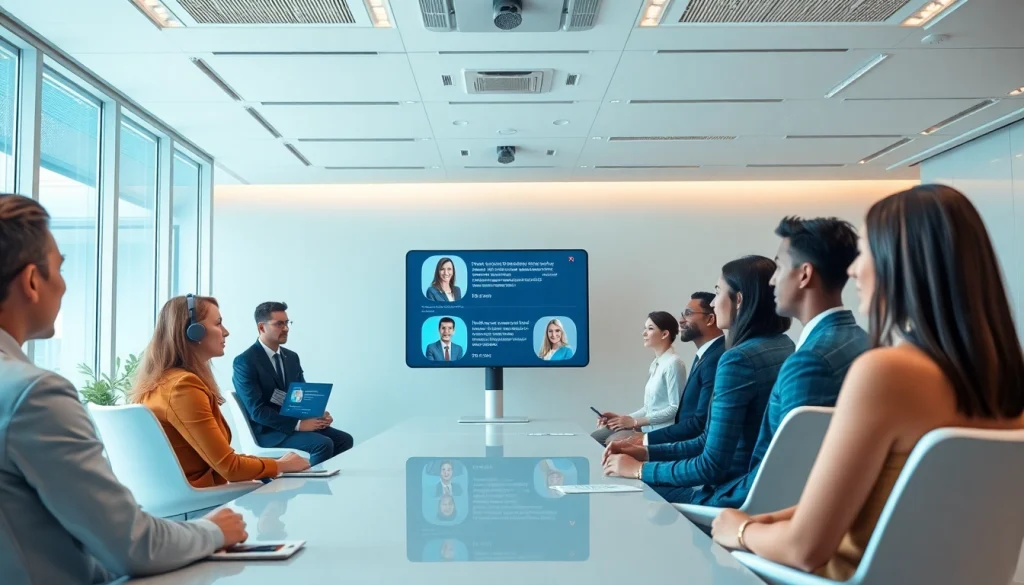
Understanding AI Interviews and Their Rise
In recent years, the job market has been transformed by technological advancements, particularly artificial intelligence (AI). One of the most significant changes in hiring practices lies in the emergence of AI Interviews, which are quickly becoming a standard component in many organizations' recruitment processes. Understanding this shift is crucial for job seekers who want to remain competitive in a fast-evolving employment landscape.
The Evolution of Hiring Practices
Hiring methods have increasingly moved towards automation over the decades, shifting from traditional face-to-face interviews to using technology-driven solutions. The inception of applicant tracking systems (ATS) marked the beginning of this trend, where algorithms screen resumes for keywords. As AI technology has developed, it has emerged as a tool to evaluate candidates in new ways, including video interviews where candidates respond to pre-set questions from virtual interviewers.
According to The New York Times, AI interviewers assess not just the content of a candidate's responses but also their voice modulation, facial expressions, and even body language. This advancement implies a movement towards a more metric-based approach to hiring that could standardize evaluations and reduce biases inherent in human interviewers.
Benefits of AI in Recruitment
Introducing AI into the recruitment process offers several significant advantages:
- Efficiency: AI can screen large volumes of applications in a fraction of the time it would take human recruiters. This enables employers to focus more on high-quality candidates.
- Consistency: AI algorithms apply the same criteria to all applicants, minimizing inconsistencies that may stem from personal biases.
- Data-Driven Insights: Advanced analytics allow employers to derive data-driven insights from candidate performance, aiding in future hiring decisions.
- Lower Costs: Automating initial interview rounds can result in lower overall hiring costs and a faster recruitment cycle.
Such features not only help companies streamline their hiring processes but also aim to improve the overall candidate experience by providing timely feedback and reducing wait times.
Common Concerns about AI Interviews
Despite these advantages, several concerns loom large over the implementation of AI in the recruitment process:
- Dehumanization: Many candidates express discomfort with the idea of being evaluated by algorithms, fearing it removes the human element of empathy and understanding from hiring processes.
- Potential for Bias: Algorithms can inadvertently perpetuate biases present in historical data, calling into question the fairness of AI decisions.
- Reduction in Candidate Experience: As noted by various job seekers, reliance solely on AI can lead to a lack of personalized communication, leaving candidates feeling undervalued.
- Resistance to Change: Many candidates are resistant to AI interviews, believing they are not an accurate reflection of human abilities.
These concerns highlight the need for companies to balance technology with empathy, ensuring that human oversight remains a part of the hiring process.
Preparing for Your AI Interview
As AI interviews become more commonplace, candidates need to prepare effectively to increase their chances of success. Here are several strategies they can employ.
Essential Tips for Candidates
- Research the Technology: Understand the particular AI tools and platforms utilized in the interviewing process. Familiarizing yourself with the technology can reduce anxiety.
- Practice Key Skills: Focus on articulate responses that clearly convey your skills and experiences. Record yourself to analyze your verbal and non-verbal communication.
- Consider the Format: Know whether the interview will be live or recorded. Prepare accordingly; live interviews allow for improvisation, while recorded responses require more rehearsing.
- Enhance Your Online Presence: Ensure your LinkedIn and other professional online profiles are optimized, as many candidates are assessed even before they reach the interview stage.
Tools and Resources for Preparation
Numerous resources are available to help candidates prepare for AI interviews:
- Google Interview Warmup: This free tool allows candidates to practice common interview questions with AI feedback, enhancing comfort and skills in verbal response.
- Interviews by AI: This platform provides a practice environment with tailored questions and allows users to gain instant feedback.
- LinkedIn Learning: Offers courses specifically geared towards interview preparation, including engaging in AI interviews.
These tools can supplement traditional interview preparation, offering AI-specific practice scenarios to develop comfort and familiarity.
Mock AI Interviews: How to Practice Effectively
Mock interviews simulate the actual interview experience and can be instrumental in preparation. Candidates can use several methods:
- Join Online Platforms: Communities like Interviewing.io or Pramp allow users to practice mock interviews with peers and receive constructive feedback.
- Record Your Practice: Set up a camera and conduct mock interviews with friends or mentors, allowing you to review your performance later.
- Utilize AI Tools: Use platforms like Final Round AI, which provides real-time feedback on interview performance to identify improvement areas.
Strategies to Succeed in AI Interviews
Succeeding in an AI interview involves more than just providing the right answers; it’s about effectively navigating the algorithms that score your responses.
Tailoring Your Responses to AI Algorithms
Each AI interviewing tool has unique algorithms. Here’s how to adapt:
- Keyword Optimization: Analyze the job description for relevant keywords and phrases, and incorporate them into your responses.
- Conciseness: AI tools often prefer clear and brief responses. Practice articulating points succinctly.
- Storytelling Techniques: Use the STAR method (Situation, Task, Action, Result) to structure responses. This framework provides a comprehensive answer while keeping it focused.
Engaging with Virtual Interviewers
Interacting with a virtual interviewer can feel unnatural. To improve your engagement:
- Maintain Eye Contact: If it’s a video interview, look at the camera instead of your screen to simulate eye contact.
- Vocal Variety: Use varied pitch and pace to convey enthusiasm and elicit more engagement from the AI system.
- Practice Good Body Language: Sit up straight and express enthusiasm through your gestures even if the interviewer is a robot.
Understanding AI Interview Analytics
Many AI interviewing platforms provide analytics post-interview. Understanding these statistics can benefit future interviews:
- Response Time: Track how quickly you answered questions to evaluate if you're taking too much time.
- Sentiment Analysis: Some platforms analyze the tone and emotion in your voice. Focus on how your confidence is conveyed.
- Common Errors: Pay attention to feedback regarding filler words or inconsistencies in responses to improve clarity.
Navigating Challenges in AI Interviews
While AI in recruitment brings numerous benefits, it is also laden with challenges that candidates should navigate thoughtfully.
Addressing Ethical Concerns
AI raises various ethical issues, particularly regarding transparency and privacy:
- Transparency: Candidates should know how AI impacts their evaluation and what factors are considered.
- Data Privacy: Understanding how your data will be collected, stored, and used by AI systems should be clear before engaging in interviews.
Employers must address these concerns to foster a culture of trust and integration of AI technologies.
Combatting AI Bias During Interviews
AI systems could inherit biases based on historical data. Employers can combat this issue through:
- Regular Audits: Conduct thorough evaluations of the algorithms and the results they generate.
- Diverse Data Sets: Ensure that the training data reflects a wide array of candidates to avoid reinforcing existing biases.
Dehumanization: Cultural Implications of AI Hiring
The shift towards AI interviews has sparked conversations around workplace culture and human connection:
- Candidate Sentiment: Many candidates view AI hiring processes as transactional and soulless, leading to broader implications on company culture.
- Employee Engagement: Companies must consciously work to maintain a sense of belonging despite advanced technologies replacing human roles at times.
Fostering an organization where technology serves as an aid rather than a hindrance is vital for sustaining an informed and engaged workforce.
The Future of AI Interviews and Job Markets
The future landscape of hiring will likely be heavily influenced by AI technologies. Adaptability and foresight are paramount as a result.
Emerging Trends in Hiring Technology
Several trends are emerging in the recruitment space:
- Hybrid Hiring Models: Companies might blend traditional interviews with AI, offering a balanced approach.
- Increased Use of Gamification: Applicants may be assessed through gamified tasks that incorporate AI-driven analytics.
- AI-Powered Assessments: Beyond interviews, AI will likely influence skills assessments and other hiring activities.
The Balancing Act: AI vs. Human Interviewers
Finding the right balance between AI and human perspectives in recruitment remains critical:
- Human Oversight: Strategic integration of AI should not eliminate the human touch, especially in final decision-making rounds.
- Complementary Roles: Understanding the strengths and weaknesses of both AI systems and human interviewers can help refine the recruitment process further.
Preparing for a Job Market Transformed by AI
As AI continues to shape the employment landscape, job seekers must remain agile:
- Continual Learning: Embrace lifelong learning, continuously refining skills pertinent to both your profession and the technologies changing those professions.
- Networking: Maintain a strong professional network to gain insights into the human elements still present in the changing job landscape.
Ultimately, preparedness in adapting to AI transformations is key for job seekers who aim to thrive and succeed in the future job market.