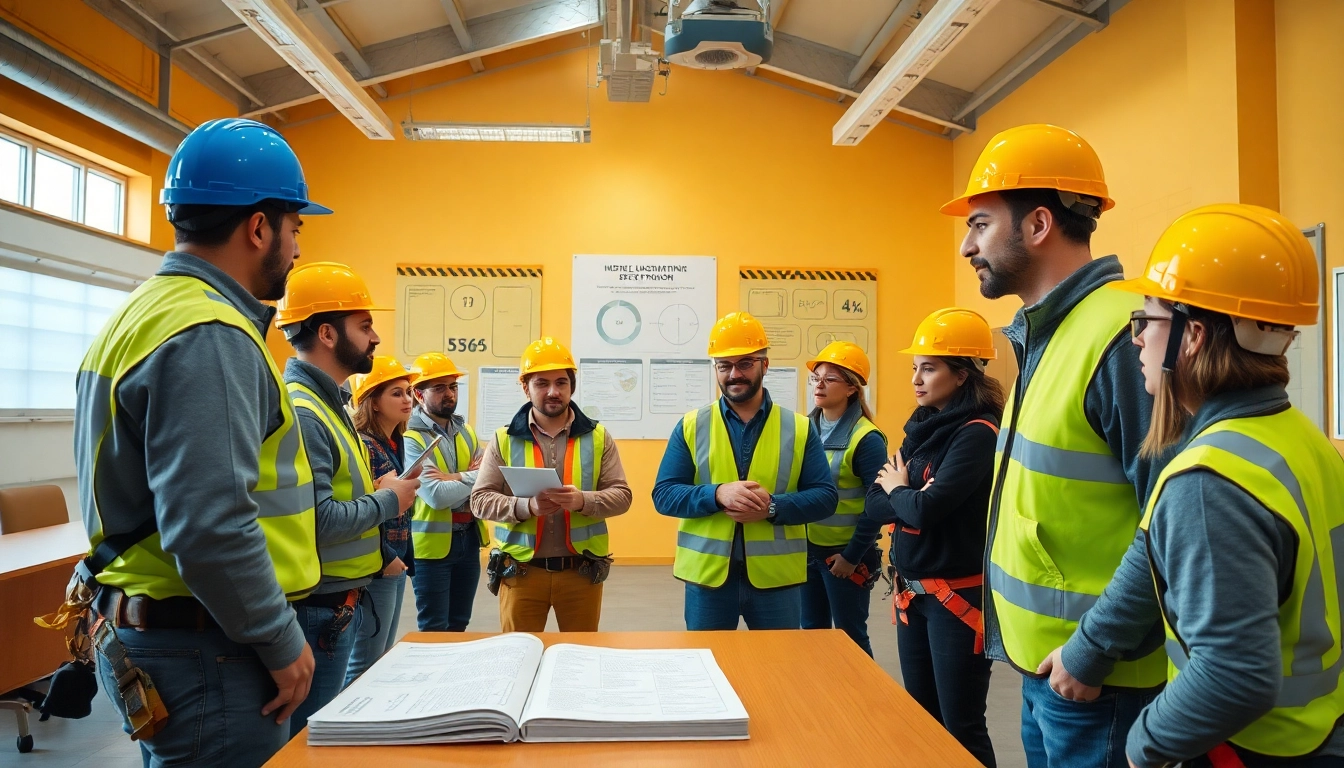

Understanding Construction Safety Programs
What Are Construction Safety Programs?
Construction safety programs are structured frameworks designed to ensure the health and safety of workers on construction sites. They encompass a variety of plans and policies aimed at minimizing hazards, preventing accidents, and promoting a culture of safety. These programs can include procedures for risk assessment, safety training, and emergency response protocols. They are crucial, given the potential dangers present in construction environments, from heavy machinery to hazardous materials. Implementing comprehensive construction safety programs not only protects workers but also enhances overall project efficiency and productivity.
The Importance of Construction Safety Programs
The importance of construction safety programs cannot be overstated. According to industry statistics, the construction sector has one of the highest rates of workplace injuries and fatalities. By providing a systematically devised safety program, companies can significantly reduce risks and improve compliance with regulations. Furthermore, a solid safety program fosters a culture of safety, where workers feel valued and engaged, ultimately leading to increased morale and reduced turnover rates. Additionally, effective safety practices can translate to financial savings by decreasing insurance costs and liability claims, as well as enhancing company reputation.
Key Components of Effective Programs
Effective construction safety programs integrate several key components:
- Risk Assessment: Regularly identifying and assessing hazards inherent in construction activities.
- Training and Education: Providing ongoing training to workers to recognize risks and follow safety protocols.
- Emergency Preparedness: Establishing clear procedures for emergencies including evacuations and first aid.
- Monitoring and Evaluation: Continuously reviewing and improving safety procedures based on feedback and incident reports.
- Culture of Safety: Promoting a workplace ethos where safety is prioritized and valued at all levels of the organization.
Implementing Construction Safety Programs
Steps to Develop a Construction Safety Program
Developing an effective construction safety program involves several crucial steps. Firstly, it begins with a comprehensive assessment of the specific risks associated with the construction projects undertaken. Secondly, management should engage employees at all levels in discussions about safety practices, encouraging their input and suggestions. After this, formal policies and procedures should be drafted, clearly outlining safety practices and responsibilities. Following that, it is vital to conduct training sessions to ensure all workers are familiar with safety protocols. Finally, set up a system for ongoing evaluation and adjustment of the safety program to keep it relevant and effective.
Training and Awareness Initiatives
Training is a cornerstone of any construction safety program. It must not only cover the basic safety protocols but also tailor specific training to the tasks at hand, ensuring that all workers are adequately prepared for the responsibilities they will hold. Initiatives may include hands-on training sessions, safety workshops, and simulations for emergency situations. Awareness campaigns can also enhance safety knowledge among workers, through tools such as posters, newsletters, or safety meetings where discussions emphasize the importance of ongoing vigilance and adherence to safety standards.
Monitoring and Evaluation Methods
Continual monitoring and evaluation are critical in refining construction safety programs. Establishing quantifiable safety metrics serves as a benchmark for the program’s effectiveness. Common evaluation methods include regular safety audits, incident tracking, and the analysis of near-miss reports. This information can then be utilized to adapt current safety strategies, ensuring they are effectively addressing existing issues and coping with new challenges as they arise.
Common Challenges in Safety Programs
Overcoming Resistance to Safety Practices
One of the most prevalent challenges in implementing construction safety programs is resistance from workers. Overcoming such resistance requires a multifaceted approach that includes effective communication, demonstrating the value of safety practices, and involving employees in the development of safety protocols. By aligning safety with workers’ personal values and showing that management prioritizes their well-being, fostering a culture of cooperation becomes feasible.
Maintaining Compliance with Regulations
Construction safety programs must adhere to various regulations and standards set by government agencies and industry bodies. This often requires staying updated with changes in laws and regulations, which can be daunting. Developing a compliance checklist specific to applicable regulations and performing regular audits can aid in maintaining compliance. Additionally, designating a safety officer or manager can ensure that accountability remains a priority within the organization.
Addressing Costs vs. Benefits
Cost concerns can impede the implementation of robust safety programs, particularly for smaller construction firms. However, it is essential to weigh the costs of implementing safety measures against the potential financial ramifications of workplace injuries, including lost wages, medical bills, and legal costs. Construction companies must recognize that investing in safety not only protects workers but also supports a healthy bottom line by reducing accident-related expenses.
Best Practices for Construction Safety Programs
Integrating Technology in Safety Management
Leveraging technology can significantly enhance the effectiveness of construction safety programs. From mobile applications that facilitate real-time reporting of safety incidents to wearable devices that monitor workers’ vital signs, tech innovations streamline safety management. Additionally, virtual reality can be utilized for training purposes, providing immersive experiences that prepare workers for real-world scenarios. Adopting such technological advancements helps ensure that safety protocols are adhered to more efficiently and effectively.
Engaging Workers in Safety Culture
Engaging workers is critical in fostering an effective safety culture. This can be achieved by incorporating worker feedback into safety protocols, recognition programs for safe practices, and encouraging open communication about safety concerns without fear of reprisal. Culture-building efforts can include safety week initiatives, where activities and training focus exclusively on safety practices, helping to reinforce the importance of workplace safety comprehensively throughout the organization.
Regular Safety Audits and Feedback Loops
Conducting regular safety audits is essential for continuous improvement in safety programs. Audits not only reveal weaknesses in current practices but also measure compliance with established safety protocols. Implementing a feedback loop where workers can relay their concerns or suggestions ensures that programs adapt to the genuine needs of employees. Such practices create a feedback-rich environment where lessons learned from past incidents lead to enhanced safety policies and increased engagement.
Measuring the Success of Safety Programs
Key Performance Indicators for Safety Programs
Measuring the success of construction safety programs requires identifying and tracking Key Performance Indicators (KPIs). Common KPIs may include the number of incidents reported, the severity of injuries, and safety audit results. A decrease in incident rates over time is a strong indicator of program effectiveness. Additionally, surveying employee perceptions of safety can provide qualitative data, offering insights into the workers’ views on safety culture and their sense of security.
Case Studies of Successful Implementation
Examining successful case studies of construction safety programs can provide invaluable insights into best practices. For instance, companies that have implemented proactive safety management, such as involving workers in safety committees and continuously refining their training modules, typically achieve lower accident rates. These organizations are often cited for their innovative approaches, including gamification of safety training, which not only teaches skills but also engages workers in the learning process.
Continuous Improvement Strategies
Continuous improvement is vital in adapting safety programs to the evolving nature of construction work. This may include regularly updating training materials, conducting refresher courses, and incorporating lessons learned from incidents into future program updates. Furthermore, each new construction project can serve as a learning opportunity, allowing companies to tailor their safety strategies to the unique challenges posed by different projects. Such ongoing evolution ensures that safety remains a top priority in dynamic work environments.
Frequently Asked Questions
What are the essential components of a construction safety program?
Essential components include risk assessment, training and education, emergency preparedness, monitoring and evaluation, and fostering a culture of safety.
How often should safety training be conducted?
Safety training should be conducted regularly, with initial training at onboarding, followed by refresher courses at least annually or as needed based on new regulations and equipment.
What role does management play in safety programs?
Management plays a crucial role in establishing safety policies, providing resources, ensuring compliance, and promoting a culture of safety throughout the organization.
How can technology enhance construction safety?
Technology enhances safety by facilitating real-time incident reporting, providing virtual reality training experiences, and enabling data collection for monitoring safety performance.
Why is worker engagement important in safety programs?
Worker engagement is essential as it fosters a collaborative safety culture, encourages accountability, and increases the likelihood of adherence to safety protocols among employees.