Introduction to the Manaslu Circuit
The Manaslu Circuit is one of Nepal's hidden treasures, offering a unique blend of breathtaking landscapes, rich culture, and exhilarating adventure. Stretching around the majestic Manaslu (8,163 m), the world's eighth-highest peak, this 15-day trek provides an unforgettable experience for both seasoned trekkers and those looking to immerse themselves in the Himalayan beauty. With its less crowded trails compared to other popular routes like the Everest Base Camp and Annapurna Circuit, the Manaslu Circuit invites adventurers to discover its untouched natural and cultural wonders.
What Makes the Manaslu Circuit Unique?
The uniqueness of the Manaslu Circuit lies in its off-the-beaten-path experience. Unlike many other treks in Nepal, the Manaslu Circuit remains relatively quiet, allowing trekkers to enjoy the serenity of nature and the warmth of local hospitality. The route features stunning views of snow-capped peaks, traditional villages, and a variety of flora and fauna. Moreover, the trek takes you through the Manaslu Conservation Area, where you can encounter rare wildlife such as snow leopards and Himalayan tahr. The harmonious coexistence of Tibetan culture, lush landscapes, and impressive monasteries makes this trek an unforgettable journey.
Overview of the Circuit’s Cultural Significance
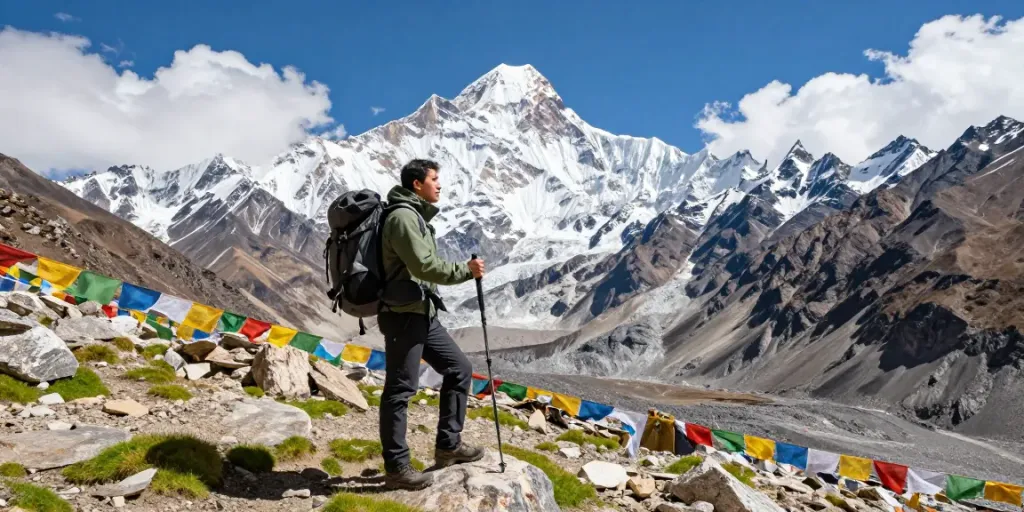
The Manaslu region is deeply embedded in Tibetan culture, with many villages showcasing a unique lifestyle influenced by Buddhism. Trekking through this area provides opportunities to interact with the local Gurung and Tibetan communities, witnessing their traditions, customs, and festivals. Notable cultural sites along the trail include ancient monasteries and prayer flags that adorn the landscapes, further enriching the trekking experience. This cultural immersion adds a fascinating layer to the adventure, allowing trekkers to appreciate not only the physical challenge of the trek but also its spiritual significance.
Key Highlights of the Trekking Experience
- Stunning Scenery: The trek offers panoramic views of the Manaslu range, including the majestic Larkya Peak and Himlung Himal.
- Rich Cultural Encounters: Interact with local communities and visit ancient monasteries, immersing yourself in the region's traditions.
- Diverse Landscapes: Experience a variety of terrains, from subtropical forested valleys to alpine meadows and arid landscapes.
- Acclimatization Opportunities: Spend time acclimatizing in villages like Samagaon, where trekkers can hike to nearby attractions such as Birendra Lake and the Manaslu Base Camp.
Planning Your Manaslu Circuit Trek
Preparing for the Manaslu Circuit requires careful planning to ensure a safe and enjoyable trekking experience. Essential factors include acquiring the necessary permits, assembling the right gear and equipment, and understanding the best time to embark on this adventure. For those looking for comprehensive information on this stunning trek, Manaslu Circuit provides detailed insights and tailored packages to make your trek memorable.
Essential Permits and Regulations
To trek the Manaslu Circuit, you will need several permits, including the Manaslu Conservation Area Permit (MCAP), the Manaslu Restricted Area Permit (MRAP), and the Annapurna Conservation Area Permit (ACAP). These permits are necessary to preserve the region's beauty and culture, limiting the number of trekkers to protect the environment and local communities. It is mandatory to trek with a licensed guide due to the restricted status of the area.
Recommended Packing List for the Trek
Packing appropriately for the Manaslu Circuit is crucial for ensuring comfort and safety during your trek. Here is a suggested list to help you prepare:
- Clothing: Layers of moisture-wicking and thermal clothing, including waterproof jackets, hiking pants, and warm hats.
- Footwear: Durable, waterproof trekking boots with good ankle support, along with comfortable camp shoes.
- Gear: A quality sleeping bag rated for sub-zero temperatures, trekking poles, and a daypack for daily essentials.
- Health Supplies: First aid kit, personal medications, and altitude sickness medication.
- Accessories: Sunglasses, sunscreen, and a reusable water bottle.
How to Choose the Right Time to Visit
The best times to undertake the Manaslu Circuit trek are during the spring (March to May) and autumn (September to November) seasons. These months are characterized by stable weather, clear skies, and moderate temperatures, making them perfect for trekking. It's advisable to avoid the monsoon season (June to August) due to heavy rainfall and potential landslides. Winter (December to February) can be extremely cold, especially at higher elevations, although fewer trekkers mean a more serene experience.
Itinerary and Trekking Experience
Day-by-Day Breakdown of the Trek
The Manaslu Circuit trek spans approximately 15 days, with daily hikes covering diverse terrain and showcasing stunning scenery. Here’s a day-by-day guide to what you can expect:
- Day 1: Arrival in Kathmandu and transfer to your hotel.
- Day 2: Drive from Kathmandu to Machha Khola (8-10 hours).
- Day 3: Trek from Machha Khola to Jagat (6-7 hours).
- Day 4: Trek from Jagat to Deng (6-7 hours).
- Day 5: Trek from Deng to Namrung (7-8 hours).
- Day 6: Trek from Namrung to Lho (3-4 hours).
- Day 7: Trek from Lho to Samagaon (3-4 hours).
- Day 8: Acclimatization day in Samagaon (optional hike to Birendra Lake).
- Day 9: Trek from Samagaon to Samdo (3-4 hours).
- Day 10: Trek from Samdo to Dharmashala (4-5 hours).
- Day 11: Trek from Dharmashala to Bimthang via Larkya La Pass (8-9 hours).
- Day 12: Trek from Bimthang to Goa (5-6 hours).
- Day 13: Trek from Goa to Dharapani (3-4 hours).
- Day 14: Drive from Dharapani to Kathmandu (10-12 hours).
- Day 15: Departure from Kathmandu.
Accommodation Options Along the Route
Accommodation during the Manaslu Circuit trek typically consists of teahouses and lodges. These range from basic lodging in higher elevations to more comfortable options in lower areas. While staying in teahouses, expect twin-sharing rooms with shared bathrooms. Private rooms may be available upon request during the trekking season, though they cannot be guaranteed. Overall, the accommodations are clean and suitable for resting after long trekking days.
Food and Dietary Considerations During the Trek
Trekkers can enjoy a variety of meals along the Manaslu Circuit, with options often including local Nepali dishes such as dal bhat (rice and lentils), noodles, soup, and chapati. Most teahouses cater to vegetarian diets, but options may be limited in more remote areas. It’s essential to stay well-hydrated; trekkers should carry reusable water bottles and purifying tablets or filters to ensure safe drinking water.
Training and Preparation for the Manaslu Circuit
Physical Fitness Guidelines for Trekkers
Given the challenging nature of the Manaslu Circuit, physical fitness is crucial. Trekkers should aim for a good fitness level with a mix of cardio, strength training, and endurance exercises. Regular hiking sessions leading up to the trek can help acclimatize your body to prolonged walking over varying terrain. Ideally, engage in physical activities at least four to five times a week in the months leading up to your trip.
Acclimatization Processes and Tips
Acclimatization is vital to prevent altitude sickness, which can occur at elevations above 3,000 meters. Spending additional time at certain points along the trek, particularly in Samagaon, allows your body to adjust to the changing altitude. Hydration, a balanced diet, and a slow ascent are essential to help with acclimatization.
Mental Preparation for High-Altitude Trekking
Mental readiness is as important as physical preparation. Anticipate challenges such as fatigue and altitude-related discomfort. Stay positive and open to the experience; having a support system within the trekking group can help maintain morale during tough days.
FAQs About the Manaslu Circuit
How difficult is the Manaslu Circuit Trek?
The Manaslu Circuit trek is considered moderately challenging. Daily walking hours can range from 5 to 8 hours, and the highest point, Larkya La Pass, is at 5,160 meters. It is suitable for those with a good fitness level and prior trekking experience.
What is the best time of year to trek the Manaslu Circuit?
Spring (March to May) and autumn (September to November) are the ideal seasons to trek the Manaslu Circuit due to favorable weather and visibility conditions.
What are the costs associated with the Manaslu Circuit Trek?
The cost of the Manaslu Circuit trek can vary depending on the trekking agency, duration, and inclusions such as meals and accommodation. Generally, prices range from $1,500 to $2,500.
Can I trek solo on the Manaslu Circuit?
Trekking the Manaslu Circuit solo is not permitted as it is a restricted area. Trekkers must be accompanied by a licensed guide.
What should I do in case of altitude sickness?
In case of altitude sickness, it is essential to descend to a lower altitude and rest. If symptoms persist, seek medical attention immediately. Stay hydrated and consult with your guide about your condition.