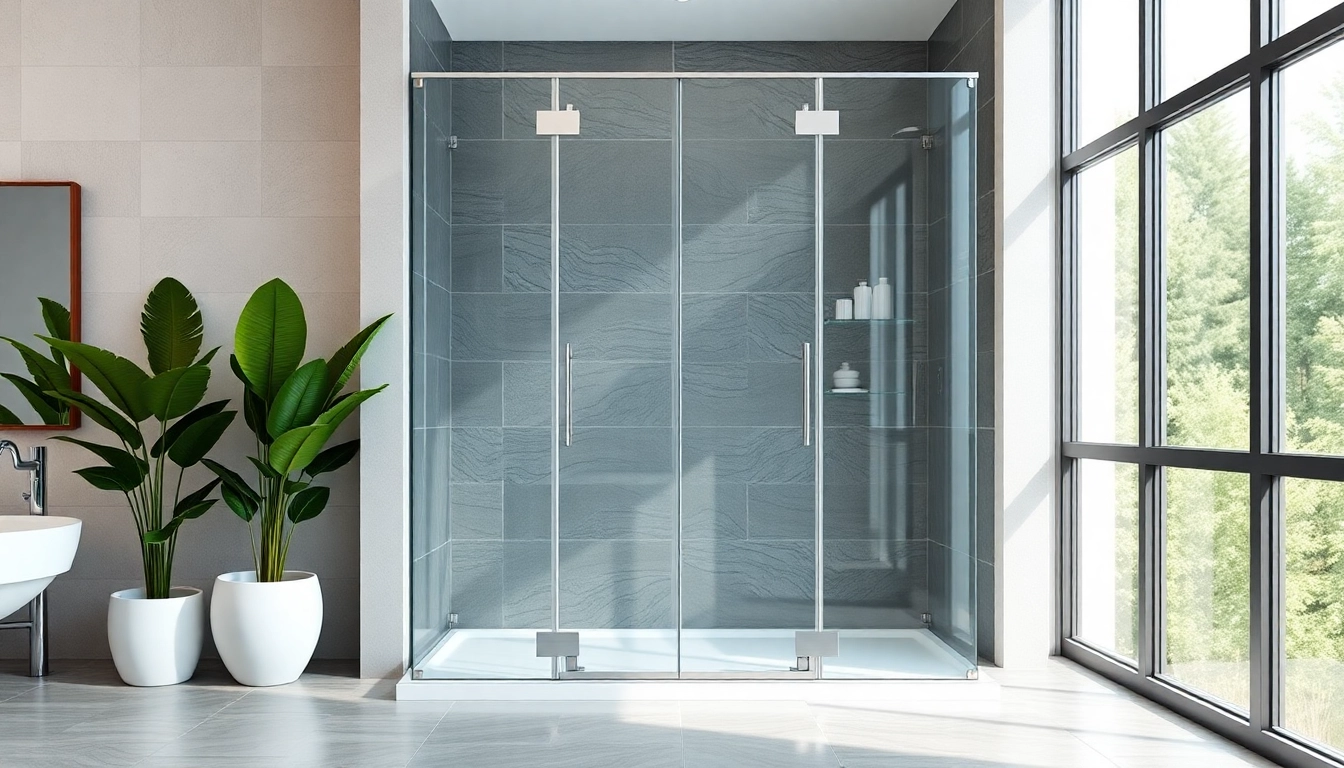
Introduction to Glass Shower Enclosure
Increasingly popular in modern bathrooms, the glass shower enclosure offers a stylish option that combines functionality and aesthetics. With their sleek designs and transparent layouts, these enclosures provide an elegant solution for creating a designated shower space. In this article, we delve into various aspects of glass shower enclosures, including their types, benefits, design considerations, installation processes, maintenance, and cost factors.
What is a Glass Shower Enclosure?
A glass shower enclosure is essentially a partition made of glass that defines the shower area within a bathroom. Unlike traditional shower curtains or plastic enclosures, glass enclosures give a more open and spacious feeling. Available in a variety of styles and layouts, these enclosures can be customized to fit different bathroom spaces and designs. They often come in framed or frameless options, which cater to diverse aesthetic preferences while ensuring the bath area remains water-tight and secure.
Types of Glass Shower Enclosures
Understanding the different types of glass shower enclosures can help you select the most appropriate option for your bathroom. The major types include:
- Framed Shower Enclosures: These feature metal frames that provide structural support. They are generally more budget-friendly and are available in various finishes and colors.
- Frameless Shower Enclosures: Known for their sleek, modern look, frameless enclosures use thicker glass and rely on minimal hardware. They create an open, airy feel but typically come at a higher cost.
- Sliding Shower Enclosures: Perfect for smaller bathrooms, these enclosures use sliding doors, saving space without sacrificing style.
- Bi-fold Shower Doors: These doors fold inwards, allowing for easy access while requiring minimal outward space. They are an excellent choice for compact areas.
- Corner and Alcove Showers: These designs cater to specific bathroom layouts, providing efficient use of space while maintaining a luxurious appearance.
Benefits of a Glass Shower Enclosure
Using a glass shower enclosure offers several advantages that contribute to both functionality and bathroom aesthetics:
- Enhanced Aesthetics: Glass enclosures exude a sophisticated air that complements various design styles, from contemporary to traditional.
- Improved Light Flow: Unlike solid walls, glass allows natural light to illuminate the shower area, reducing shadowy corners.
- Easy Maintenance: Smooth glass surfaces are easier to clean and resist mold growth, requiring less upkeep than shower curtains.
- Perceived Space: Glass enclosures create an illusion of a larger bathroom, making them perfect for smaller spaces.
- Increased Property Value: High-quality bathroom fixtures, such as a glass shower enclosure, can elevate a home's market value and appeal.
Designing Your Glass Shower Enclosure
Designing a glass shower enclosure requires careful consideration to ensure that the final look blends seamlessly with your bathroom décor while maximizing functionality.
Choosing the Right Style
Selecting a style for your glass shower enclosure is foundational. Consider factors like layout and aesthetics, while accounting for personal preferences. Frameless options are sleek and modern, while framed enclosures fit more classic styles. If your bathroom has a more minimal vibe, basic straight lines may be appropriate; for more elaborate themes, etched or textured glass could enhance the design.
Color and Texture Options
The beauty of glass shower enclosures lies not only in their clarity but also in the variety of colors and textures available. Options include:
- Clear Glass: The most common choice, enhancing light and visibility.
- Frosted Glass: Offers more privacy while still allowing light to diffuse softly.
- Tinted Glass: Available in various shades, providing different levels of transparency and privacy.
- Textured Glass: Adds a decorative element while distorting visibility, providing both style and privacy.
Space Considerations for Your Enclosure
When planning your glass shower enclosure, it's crucial to measure your available space accurately. Consider the dimensions of the bathroom, the existing fixtures, and the flow of movement. The layout should allow enough room for the door to swing open without obstruction, ensuring easy entry and exit.
Installation Process for Glass Shower Enclosure
Installing a glass shower enclosure involves several steps to ensure that it is done safely and effectively. While some homeowners may opt for a professional, understanding the steps can help those considering a DIY approach.
Preparing Your Bathroom Space
Preparation is key to a successful installation. Ensure that the bathroom is clean, and measure the space where the enclosure will be installed. Double-check your measurements and confirm the enclosure dimensions with your supplier.
Steps to Install Your Glass Shower Enclosure
- Gather Materials: Ensure you have all necessary components — the glass panels, mounting hardware, and tools.
- Install the Shower Base: If you haven’t done so, set up the shower base according to the manufacturer's instructions.
- Mark the Layout: Carefully outline where the glass panels and doors will go, using a level to ensure accuracy.
- Attach Wall Brackets: Begin by securing the wall brackets, which will hold the glass panels in place.
- Position the Glass Panels: Carefully lift and attach the glass panels to the brackets, ensuring they’re held securely, checking for squareness.
- Install the Door: Follow instructions to attach the door hinges and then place the shower door correctly for operation.
- Seal Any Gaps: Apply caulk to any joints to ensure water-tightness.
Common Mistakes to Avoid
To ensure a smooth installation process, avoid these common pitfalls:
- Neglecting to level components, which can result in door misalignment.
- Inadequately sealing edges, which may lead to leaks.
Maintenance of Your Glass Shower Enclosure
Regular maintenance of your glass shower enclosure can prolong its life and keep it looking pristine. Proper care is essential to prevent issues like water spots and soap scum buildup.
Regular Cleaning Techniques
To maintain clarity and shine, clean your glass shower enclosure at least once a week. Use a mixture of vinegar and water or a dedicated glass cleaner to remove soap scum and water spots. A squeegee can also help maintain clean surfaces after each use.
Handling Stains and Water Spots
If stubborn stains persist, consider using a soft scrubber or non-abrasive pad with a baking soda paste. For serious mineral deposits, a specialized glass cleaner or a professional clean may be necessary.
When to Replace Your Shower Enclosure
Examine your glass shower enclosure regularly for signs of wear and damage. If cracks or severe scratches appear, it may be time to replace panels to prevent water leaks and maintain safety.
Cost Considerations for Glass Shower Enclosure
The investment in a glass shower enclosure varies widely based on style, material, and installation requirements. Here, we explore key cost factors to consider.
Understanding Pricing Factors
Several factors contribute to the overall cost of a glass shower enclosure:
- Type of Glass: Thicker glass and customized options will typically cost more.
- Framed vs. Frameless: Frameless designs generally require specialized hardware and are more expensive.
- Installation: Hiring a professional will increase costs compared to DIY approaches.
- Glass Treatment: Features like tempered or treated glass can also impact the price.
Budgeting for Your Enclosure
Set a realistic budget by considering all associated costs, from materials to installation. Doing research on similar projects and consulting professionals can help maintain your budget.
Comparative Costs with Other Options
While glass shower enclosures may initially appear costly compared to plastic or curtain options, they can provide greater value over time through durability, aesthetic appeal, and lower maintenance needs.
FAQs
What is the average cost of a glass shower enclosure?
The average cost ranges, with framed options starting around $600-$1,200 and frameless versions costing between $1,100-$5,000. Factors influencing the price include size, glass thickness, and installation.
Do glass shower doors offer any privacy?
Glass shower doors can provide limited privacy, especially frosted or tinted glass options. However, clear glass does not afford privacy, so choose the type based on your needs.
How often should I clean my glass shower enclosure?
For optimal maintenance, clean your glass shower enclosure at least once a week. Regular cleaning prevents buildup and keeps it looking pristine.
Can I install a glass shower enclosure myself?
While DIY installation is possible, it's important to be familiar with the materials and tools required. If unsure, consider hiring a professional to ensure correct assembly.
When should I replace my glass shower enclosure?
Replace your glass shower enclosure if you notice significant cracks, severe scratches, or signs of persistent leaks, as these issues can compromise safety and shower functionality.