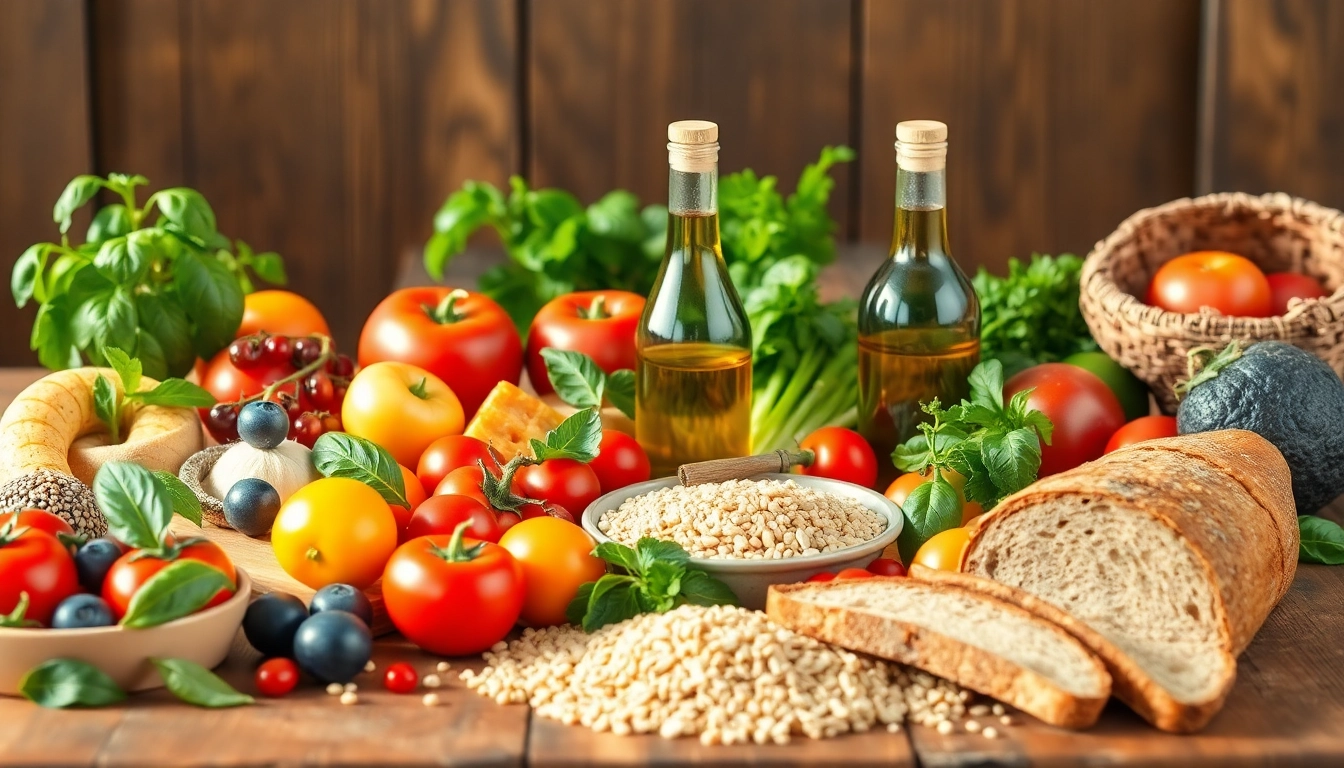
Understanding the Mediterranean Diet
What is the Mediterranean Diet?
The mediterranean diet is a dietary pattern inspired by the traditional eating habits of countries bordering the Mediterranean Sea, such as Greece, Italy, and Spain. It emphasizes a high intake of plant-based foods, healthy fats, whole grains, and fish, while limiting red meat, processed foods, and added sugars. This diet is not just a collection of foods; it's a lifestyle that encapsulates a broader philosophy regarding enjoyment of meals, social interactions, and physical activity.
Core Principles of the Mediterranean Diet
At the heart of the Mediterranean diet are several core principles designed to promote health and well-being:
- Emphasis on Plant-Based Foods: Fruits and vegetables are the foundation, providing essential vitamins, minerals, fiber, and antioxidants.
- Healthy Fats: Extra virgin olive oil is the primary source of dietary fat, rich in monounsaturated fats and beneficial antioxidants.
- Whole Grains: Foods like whole grain bread, pasta, and rice are preferred over refined grains, contributing to sustained energy levels and digestive health.
- Moderate Consumption of Seafood and Eggs: Fish, particularly fatty fish rich in omega-3 fatty acids, should be consumed at least twice a week, while eggs can be eaten in moderation.
- Limited Red Meat: Red meat is consumed sparingly, usually reserved for special occasions.
- Low Sugar and Processed Foods: The diet encourages natural, whole foods, limiting added sugars and processed ingredients.
- Physical Activity: An active lifestyle is highly encouraged—regular physical movement is considered essential for overall health.
History and Cultural Significance of the Mediterranean Diet
The Mediterranean diet has its roots in ancient civilizations, particularly among the Greeks, Romans, and Arabs who lived along the Mediterranean coast. Each culture contributed to the vibrant culinary traditions characterized by seasonal ingredients and local flavors. Over decades, this dietary pattern has evolved but has retained its core elements that emphasize communal dining and appreciation for food.
The significance of the Mediterranean diet stretches beyond nutrition—it's deeply ingrained in the cultures of those who practice it. Meals are often enjoyed with family and friends, underscoring the role of social connections in health and well-being. This communal aspect fosters not only nutritional benefits but also emotional satisfaction.
Health Benefits of the Mediterranean Diet
Heart Health and Longevity
One of the most notable benefits of the Mediterranean diet is its association with heart health. Research has shown that this dietary pattern can lead to reduced risks of cardiovascular diseases. The heart-healthy fats found in olive oil and fish lower bad cholesterol levels, while the high fiber intake from fruits, vegetables, and whole grains supports optimal heart function.
Several studies have linked adherence to the Mediterranean diet with a longer lifespan. For instance, a landmark study published in a prestigious health journal showed that individuals following this diet had a significantly lower rate of heart attacks, strokes, and mortality from heart disease. This is attributed to the synergistic effects of the diet's components on cardiovascular health.
Weight Management with the Mediterranean Diet
For those seeking to manage their weight, the Mediterranean diet offers a sustainable approach that promotes healthy eating patterns without restrictive dieting. The diet's high fiber content keeps individuals feeling full longer, which can help curb excessive snacking or overeating. Moreover, the variety of flavors and foods available encourages a natural, balanced approach to eating.
Studies indicate that individuals who adopt the Mediterranean diet experience better weight management outcomes compared to those who follow more traditional calorie-restricted diets. This is largely because the Mediterranean diet allows for a diverse range of foods and meals that are satisfying and enjoyable.
Brain Health and Cognitive Function
Emerging research highlights the potential cognitive benefits of the Mediterranean diet. Certain nutrients found in this dietary pattern, such as omega-3 fatty acids and antioxidants, have been linked to reduced risks of cognitive decline and neurodegenerative diseases like Alzheimer's. The regular consumption of fish, nuts, and leafy greens plays a crucial role in maintaining brain health.
Additionally, studies have found that individuals adhering to the Mediterranean diet tend to have better cognitive performance metrics. The combination of antioxidants and healthy fats supports optimal brain function and memory retention, emphasizing the diet's comprehensive health benefits.
Key Foods in the Mediterranean Diet
Fruits and Vegetables: Foundation of the Mediterranean Diet
Fruits and vegetables are abundant in the Mediterranean diet and serve as a staple in everyday meals. These foods are rich in vitamins, minerals, and antioxidants, essential for preventing chronic diseases. Common choices include:
- Leafy greens such as spinach and kale
- Bright-colored fruits like tomatoes, carrots, and bell peppers
- Citrus fruits such as oranges, lemons, and grapefruits
- Berries, which are high in antioxidants
The emphasis on seasonal and local produce not only enhances flavor but also provides varying nutrient profiles throughout the year, contributing to a varied and balanced diet.
Healthy Fats: The Role of Olive Oil
Extra virgin olive oil stands out as a star component of the Mediterranean diet, revered for its health benefits. Rich in monounsaturated fats and antioxidants, it helps reduce inflammation and promote heart health. Cooking with olive oil or using it as a dressing enhances the flavor of meals while providing a plethora of benefits:
- May help lower cholesterol levels
- Supports anti-inflammatory processes in the body
- Rich in polyphenols which may help protect against chronic diseases
Incorporating olive oil into daily meals—whether drizzled over salads, used in marinades, or added to cooked dishes—ensures not only nutritional value but also enjoyable taste.
Whole Grains and Legumes in Daily Meals
Whole grains and legumes form another fundamental aspect of the Mediterranean diet. Whole grains like farro, barley, and whole wheat pasta are preferred over refined grains, providing superior nutrients and fiber. Likewise, legumes such as lentils, chickpeas, and beans are protein-rich sources that are low in fat. Their benefits include:
- Providing sustained energy levels
- Enhancing digestive health due to high fiber content
- Contributing to heart health by reducing bad cholesterol levels
Including a variety of whole grains and legumes in meals fosters a sense of fullness and satisfaction, while their fiber components play a crucial role in managing weight and promoting overall health.
Creating Your Mediterranean Diet Meal Plan
Sample Weekly Meal Plan
Transitioning to a Mediterranean diet can be facilitated through well-structured meal planning. Below is a sample weekly meal plan to give an idea of how to incorporate various food items while ensuring balance and variety:
- Day 1: Breakfast: Greek yogurt with berries and honey; Lunch: Quinoa salad with cucumbers, chickpeas, and feta; Dinner: Grilled salmon with vegetables and brown rice.
- Day 2: Breakfast: Whole grain toast with avocado; Lunch: Mediterranean wrap with hummus, roasted veggies, and spinach; Dinner: Baked chicken with olive oil, lemon, and herbs, served with lentils.
- Day 3: Breakfast: Oatmeal topped with almonds and fresh fruit; Lunch: Lentil soup with whole grain bread; Dinner: Shrimp sautéed in garlic olive oil with spinach.
- Day 4: Breakfast: Smoothie with spinach, banana, and almond milk; Lunch: Greek salad with olives, tomatoes, cucumbers, and feta cheese; Dinner: Stuffed bell peppers with brown rice and ground turkey.
- Day 5: Breakfast: Cottage cheese with peaches and walnuts; Lunch: Vegetable and white bean stew; Dinner: Grilled vegetable skewers with quinoa and tahini sauce.
- Day 6: Breakfast: Whole wheat pancakes with maple syrup and berries; Lunch: Cauliflower and chickpea curry with brown rice; Dinner: Roasted chicken with herbs and garlic, served with a side of mixed greens.
- Day 7: Breakfast: Omelette with spinach, tomatoes, and feta; Lunch: Couscous salad with roasted vegetables; Dinner: Baked fish with olives and tomatoes.
Shopping List for the Mediterranean Diet
When transitioning to a Mediterranean diet, planning a shopping list can simplify the process. Essential items include:
- Fruits and vegetables (fresh, seasonal, and organic when possible)
- Whole grains (quinoa, barley, whole grain breads)
- Legumes (lentils, chickpeas, beans)
- Nuts and seeds (almonds, walnuts, chia seeds)
- Fish (salmon, sardines, mackerel)
- Poultry (chicken and turkey)
- Extra virgin olive oil
- Herbs and spices (basil, oregano, garlic)
By keeping this list handy, you can ensure a successful grocery shopping experience that aligns with the Mediterranean diet principles.
Tips for Meal Preparation and Cooking
Preparation is key to successfully embracing the Mediterranean diet. Here are some practical tips:
- Batch Cooking: Prepare larger quantities of staples like grains and legumes to use throughout the week.
- Use Fresh Ingredients: When possible, opt for fresh produce and ingredients to enhance flavors and nutrients.
- Experiment with Herbs and Spices: Instead of relying on salt, explore various herbs and spices to boost flavor and health benefits.
- Plan for Leftovers: Transform leftovers into new meals, making meal prep efficient and easy.
By incorporating these tips into your cooking routine, the transition to a Mediterranean diet can be both enjoyable and manageable.
Common Challenges and Solutions on the Mediterranean Diet
Adapting to the Mediterranean Diet Lifestyle
While many people experience positive adjustments upon adopting the Mediterranean diet, some may encounter challenges. A common initial roadblock is the adjustment to consuming more whole foods and fewer processed foods. To ease this transition:
- Start gradually by replacing one meal a day with a Mediterranean-style meal.
- Explore new recipes that excite your palate and inspire you to cook more at home.
- Join community groups or online forums focused on the Mediterranean diet for support and recipe sharing.
Overcoming Common Hurdles
Understanding potential obstacles can also help in maintaining motivation. Here are a couple of typical challenges and some effective strategies to address them:
- Dining Out: When eating out, look for Mediterranean options and don’t hesitate to ask for modifications (like substituting fries with a side salad).
- Time Constraints: Short on time? Meal prep in advance and create simple recipes focusing on fewer ingredients that still embody the Mediterranean flair.
Staying Motivated and Informed
Maintaining motivation is crucial for a successful long-term shift to the Mediterranean diet. To stay engaged:
- Keep a food journal to track meals and feelings associated with different foods.
- Seek out cooking classes or workshops that focus on Mediterranean cuisine.
- Read books or blogs dedicated to recipes, health benefits, and tips pertaining to the Mediterranean diet to stay inspired and informed.
Ultimately, embracing the Mediterranean diet goes beyond dietary restrictions—it's about creating a nourishing lifestyle that prioritizes health, community, and enjoyment of quality food.