What is a Warehouse?
Definition and Purpose
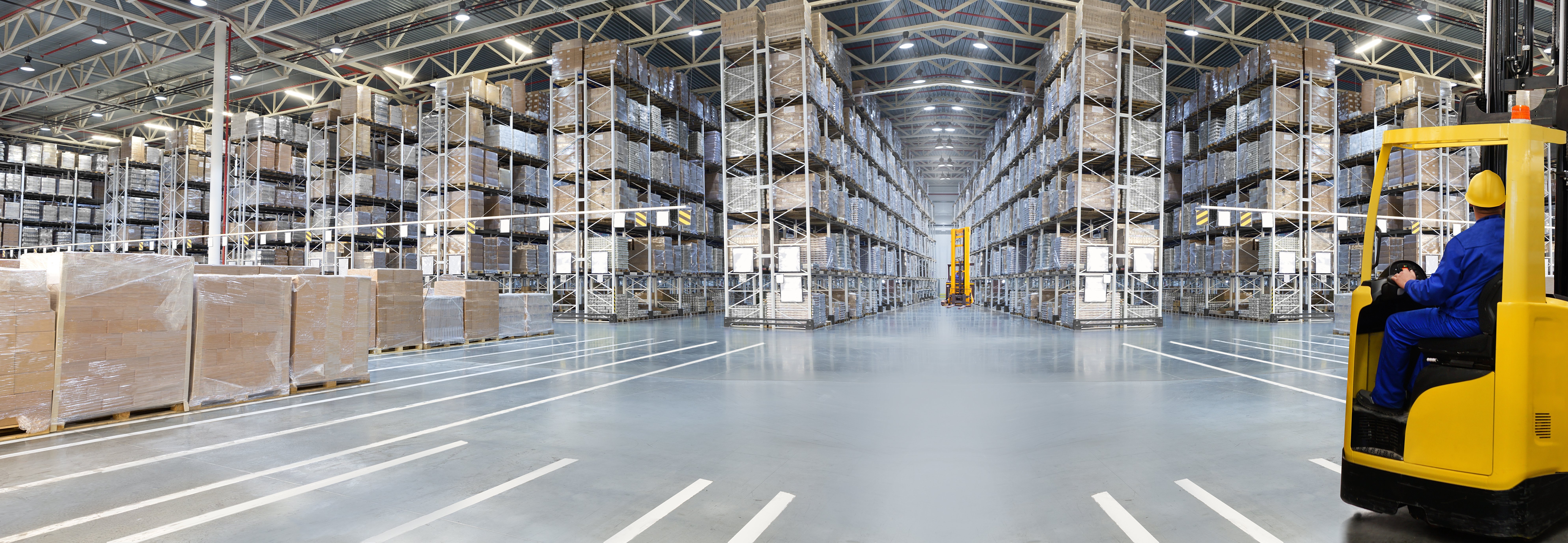
A warehouse is a large building used primarily for the storage of goods. It serves various industries by providing a centralized location to manage inventory before it reaches retailers, businesses, or end consumers. These structures are essential components of supply chain logistics, facilitating the smooth movement of products from manufacturers to customers. The Warehouse serves not only as a storage point but also acts as a hub for diversification in logistics management, allowing businesses to optimize their operations.
Types of Warehouses
Warehouses can be categorized based on their functions and the nature of the goods they store. The primary types include:
- Public Warehouses: These are owned and operated by third-party companies to provide storage solutions to multiple clients. They allow businesses to rent space without long-term commitments.
- Private Warehouses: Typically owned by retailers or manufacturers, these warehouses provide exclusive storage for their goods and are tailored to specific operational needs.
- Distribution Centers: These facilities are designed to move products quickly. They often use advanced logistics to facilitate rapid order fulfillment, reducing time to market.
- Cold Storage Warehouses: Specializing in perishable goods, these warehouses are equipped with temperature controls to preserve the quality of food and other temperature-sensitive items.
- Automated Warehouses: Utilizing robotics and technology, these warehouses enhance efficiency and accuracy in handling inventory and reducing labor costs.
Key Features of Modern Warehouses
Modern warehouses are equipped with several key features that optimize functionality, safety, and efficiency:
- Advanced Inventory Management Systems: Technology, such as warehouse management systems (WMS), enables businesses to track stock in real-time, ensuring accurate inventory levels.
- Flexible Storage Solutions: Racking systems can be tailored to accommodate various product sizes, weight, and handling requirements, enhancing space utilization.
- Energy Efficiency: Many warehouses incorporate energy-saving technologies such as LED lighting and efficient HVAC systems to minimize operational costs.
- Safety Features: Fire suppression systems, safety training protocols, and adequate signage help mitigate risks within the warehouse environment.
Functions of a Warehouse
Storage and Inventory Management
The primary function of a warehouse is to provide space for storing goods. This involves sophisticated inventory management practices that employ both physical and digital systems to control stock levels, track location, and streamline operations. Effective inventory management reduces costs, avoids product obsolescence, and enhances customer service by ensuring that products are available when needed.
Order Fulfillment Processes
In addition to storage, warehouses play a crucial role in order fulfillment. This process encompasses receiving orders, picking products from the shelves, packing them for shipment, and finally delivering them to the customer. Efficient order fulfillment requires coordination and the use of technology to maintain accuracy, speed, and cost-effectiveness. Outsourcing fulfillment to third-party logistics providers (3PLs) is common among businesses seeking to improve their supply chain capabilities.
Distribution and Logistics Strategies
Warehouses are integral to distribution networks, providing strategic points for consolidating goods before they are transferred to retailers or directly to consumers. Effective logistics strategies involve optimizing routes, reducing transportation costs, and leveraging regional warehouses to reach customers swiftly. Analyzing data from these operations can lead to continuous improvements and enhanced service levels.
Warehouse Design and Layout
Optimal Design Considerations
The design of a warehouse is vital to ensuring efficiency and safety. Optimal designs consider aspects such as:
- Flow of Goods: Designing an efficient flow from receiving to storage, order picking, and shipping helps reduce handling times and improves operational efficiency.
- Space Allocation: Adequately planned spaces for storage, offices, and loading docks can enhance productivity and ensure compliance with safety regulations.
- Future Scalability: Warehouses must be designed with potential future needs in mind, allowing for easy scalability as business demands increase.
Space Utilization Strategies
Maximizing space utilization involves using innovative racking systems and layout plans that reduce wasted space. Common strategies include:
- Vertical Racking: Utilizing the height of the warehouse can increase storage capacity by employing taller racks and lifts.
- Mobile Racking: This system allows racks to move, maximizing storage capacity while allowing for easy access to products.
- Cross-Docking: Transferring products directly from incoming to outgoing transportation without storing them enhances efficiency and reduces inventory handling.
Safety and Compliance Standards
Safety is a paramount concern in warehouse operations. Compliance with OSHA regulations and other safety standards is necessary to protect employees and property. Essential practices include:
- Conducting regular safety audits to identify potential hazards.
- Implementing technology such as collision avoidance systems and safety barriers.
- Providing regular training to ensure that all employees are aware of safety protocols and emergency procedures.
Technology in Warehousing
Warehouse Management Systems (WMS)
A Warehouse Management System (WMS) is essential for managing stock and logistics efficiently within a warehouse. This software system is designed to support warehouse operations by:
- Tracking inventory levels in real-time.
- Identifying optimal picking paths for inventory retrieval.
- Automating reorder processes to maintain stock levels and prevent shortages.
Modern WMS solutions often integrate with other enterprise systems to provide a complete view of inventory across the supply chain.
Automation and Robotics
Automation is reshaping warehouse operations. Robotics and automated systems enhance productivity and reduce human error in tasks such as:
- Picking and Packing: Robotic arms and automated guided vehicles (AGVs) streamline the picking and packing processes, significantly reducing the time to process orders.
- Inventory Checks: Drones can be employed for quick inventory checks, making it easier to maintain accurate stock levels without disrupting regular operations.
- Stock Replenishment: Automated systems can assist in monitoring stock levels and initiating replenishment orders automatically.
Data Analytics for Efficiency
Data analytics play a significant role in modern warehousing. By analyzing data from various operations, businesses can gain insights into performance metrics and efficiency. Key focuses include:
- Performance Measurement: Utilizing KPIs such as order accuracy, inventory turnover, and shipping times helps identify performance gaps.
- Demand Forecasting: Predictive analytics can aid in understanding customer demand trends, allowing for better inventory management.
- Resource Allocation: Data analytics can inform decisions regarding labor allocation, optimizing employee utilization on the warehouse floor.
Best Practices for Warehouse Operations
Staff Training and Development
A well-trained workforce is critical to the success of warehouse operations. Training programs should be focused on safety, technology use, and operational efficiency. Best practices include:
- Regular safety drills to ensure all employees understand emergency protocols.
- Providing comprehensive training on new technologies and systems implemented within the warehouse.
- Encouraging ongoing development through workshops and further educational opportunities.
Performance Metrics and KPIs
Establishing clear performance metrics is vital to maintaining operational efficiency. Common KPIs include:
- Order Pick Rate: Measures the number of orders picked within a certain timeframe, reflecting efficiency in order fulfillment.
- Inventory Accuracy: This KPI indicates the consistency between recorded and actual inventory levels.
- Shipping Accuracy: The percentage of orders shipped correctly, crucial for customer satisfaction.
Sustainability in Warehouse Operations
As global awareness of environmental issues rises, sustainability in warehouse operations becomes increasingly significant. Strategies include:
- Implementing energy-efficient systems and practices to reduce carbon footprints.
- Utilizing sustainable materials for packaging and conducting waste audits to minimize unnecessary waste production.
- Encouraging sustainable transportation options like electric vehicles for delivery logistics.