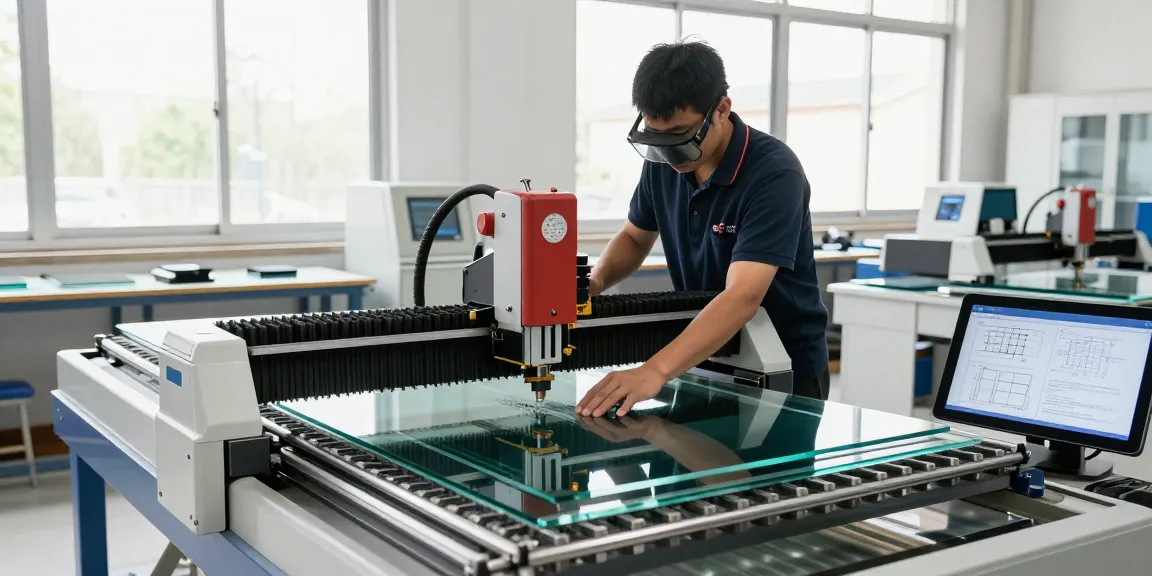
What Are Physical Hazards? An Overview
Physical hazards are conditions or factors that can cause harm or injury to individuals in a workplace or industrial setting. They often manifest through tangible materials and are usually associated with the physical environment. Examples include objects that can fall, machines that may cause lacerations, and extreme temperature conditions that pose risks. Understanding these hazards is crucial for establishing a safe working environment and mitigating risks associated with workplace injuries. For a detailed exploration of these topics, it is essential to delve deep into the classification and examples of physical hazards, as well as the importance of recognizing them.
Definition and Types of Physical Hazards
In occupational health and safety, physical hazards are defined as those factors that can cause physical harm to employees. These hazards can thrive in various environments and stem from diverse sources. The following classifications provide a clearer insight into the types of physical hazards:
- Mechanical Hazards: These arise from machines, tools, or equipment capable of causing injuries. Common examples include rotating parts, sharp tools, or moving machinery.
- Electrical Hazards: Exposure to live electrical wires or faulty equipment can lead to shocks or fires, proving dangerous in workplaces that utilize extensive electrical systems.
- Thermal Hazards: Excessive heat or cold can lead to burns, heat exhaustion, or hypothermia. Industries such as metalworking or refrigeration are particularly prone to these hazards.
- Radiation Hazards: Sources like X-rays or UV radiation can cause severe health effects, including cancer over prolonged exposure. This is commonly recognized in healthcare and certain manufacturing industries.
- Noise Hazards: Elevating sound levels beyond a safe threshold can lead to hearing loss among employees. Industrial settings often require strict measures to mitigate noise exposure.
- Handling Hazards: These refer to the dangers associated with lifting, carrying, or otherwise managing loads. Improper or excessive handling can result in musculoskeletal disorders.
Common Examples in Various Industries
Physical hazards vary significantly across industries. Here are some notable examples:
- Construction: Risks are prominent here, with hazards such as falling from heights, being struck by tools or equipment, and electrical hazards stemming from temporary wiring.
- Manufacturing: This sector often confronts issues like machine entanglement, exposure to flying debris, and the risks of handling chemicals without proper protective gear.
- Healthcare: Workers may face hazards from needle-stick injuries, exposure to infectious diseases, or heavy lifting associated with patient handling.
- Agriculture: Farmers are prone to injuries from machinery, animal handling, and environmental elements such as chemicals or extreme weather.
- Transportation: Drivers deal with vehicle-related hazards, extreme weather conditions, and the risk of accidents while loading and unloading cargo.
The Importance of Recognizing Physical Hazards
Spotting physical hazards is critical for maintaining workplace safety and efficiency. Recognizing these risks can lead to:
- Injury Prevention: By identifying hazards early, safety measures can be implemented to prevent accidents before they happen.
- Compliance with Regulations: Governmental agencies establish guidelines regarding workplace safety. Recognizing and mitigating physical hazards ensures compliance, protecting both employees and employers.
- Increased Productivity: A safe work environment boosts employee morale, reducing the likelihood of work-related injuries, thus enhancing productivity.
- Legal Protection: Employers can avoid litigation and claims by actively managing physical hazards, showcasing a commitment to worker safety.
Identifying Physical Hazards in the Workplace
Identifying physical hazards requires a systematic approach to ensure all potential risks are recognized and addressed effectively. Various techniques can support this process:
Effective Inspection Techniques
Routine inspections are fundamental to identifying physical hazards in the workplace. Techniques such as:
- Visual Inspections: Regularly checking for obvious hazards, such as spills, clutter, or malfunctioning equipment.
- Checklists: Utilizing detailed checklists tailored to specific job environments aids in consistently identifying hazards.
- Employee Feedback: Engaging employees in hazard identification allows firsthand insight into potential risks they encounter in their daily tasks.
Safety Audits: A Proactive Approach
Safety audits encompass a comprehensive assessment of current workplace conditions and practices. By evaluating processes, equipment, and employee compliance with safety protocols, audits help identify lapses that may pose physical hazards. Conducting safety audits includes:
- Scheduled Evaluations: Regularly scheduled audits can prevent issues before they escalate into serious hazards.
- Corrective Actions: Following identification of hazards, implementing corrective actions ensures continuous improvement.
- Documentation: Keeping thorough records of audits and inspections allows organizations to track improvements and spot trends over time.
Employee Training and Awareness Programs
Training and awareness programs play a pivotal role in enhancing employee knowledge regarding physical hazards. Effective programs focus on:
- Hazard Recognition: Teaching employees how to spot potential hazards can empower them to take proactive steps in managing safety.
- Safe Work Practices: Providing training on proper handling techniques, use of machinery, and emergency response can minimize physical hazards' risks.
- Regular Refresher Courses: Periodic training refreshes knowledge and remains aligned with changes in workplace practices and regulations.
Assessing the Risks of Physical Hazards
Once physical hazards are identified, assessing the associated risks is vital for prioritizing mitigation strategies. This evaluation involves various methodologies:
Risk Assessment Methods
Risk assessment is an essential process for evaluating and prioritizing hazards. Established methods include:
- Qualitative Risk Assessment: This involves categorizing risks based on subjective measures (e.g., low, medium, high) to create a prioritized plan for risk management.
- Quantitative Risk Assessment: This method employs statistical analyses to assign numerical values to risks, ensuring a more precise evaluation.
- Job Hazard Analysis (JHA): A systematic approach where tasks are analyzed to identify specific hazards and determine necessary protections.
Analyzing Potential Impact and Consequences
Risk assessments should not only identify hazards but also analyze their potential impact on employees and operations. This analysis includes:
- Severity of Consequences: Understanding the worst-case scenario concerning injuries or accidents associated with identified hazards helps in decision-making.
- Frequency of Occurrence: Evaluating how often a particular hazard could occur informs the urgency and necessity of mitigation measures.
- Legal Obligations: Considering the legal repercussions that may arise from failure to address certain hazards ensures organizations remain compliant with regulations.
Case Studies of Inadequate Risk Management
Examining real-world examples of inadequate risk management can illustrate the catastrophic consequences of neglecting physical hazards. Notable cases include:
- Deepwater Horizon Oil Spill: The 2010 disaster emphasized the risks of inadequate safety culture and management, leading to devastating environmental and human costs.
- West Fertilizer Company Explosion: A 2013 explosion in Texas highlighted failures in hazard identification and emergency response planning, resulting in fatalities and extensive property damage.
- Rana Plaza Collapse: The 2013 building collapse in Bangladesh underscored the impact of neglecting construction safety measures, leading to significant loss of life.
Implementing Control Measures for Physical Hazards
Once hazards and associated risks have been assessed, the next step is to implement effective control measures. These measures can be categorized into engineering controls, administrative controls, and personal protective equipment.
Engineering Control Solutions
Engineering controls focus on isolating employees from hazards through physical changes in the workplace. Key strategies include:
- Guardrails and Machine Guards: Installing protective barriers on machinery can prevent accidental exposure and injuries.
- Ventilation Systems: Implementing proper ventilation can mitigate air quality issues and protect staff from harmful airborne contaminants.
- Emergency Shutdown Systems: Systems that automatically shut down equipment in case of a malfunction minimize injury risks during emergencies.
Administrative Controls and Safety Procedures
Administrative controls involve changing workplace policies or procedures to reduce risk exposure, including:
- Establishing Safety Protocols: Developing clear procedures for machinery use, load handling, and emergency situations outlines expected behaviors in the workplace.
- Rotating Job Assignments: Changing employee tasks periodically can reduce repetitive motion injuries and exposure to specific hazards.
- Enhanced Supervision: Increasing supervisor presence ensures adherence to safety protocols and allows for immediate intervention when hazards arise.
Personal Protective Equipment (PPE) Considerations
Using personal protective equipment is essential for minimizing exposure to physical hazards. Considerations include:
- Selecting Appropriate PPE: Ensure PPE is suitable for specific hazards (e.g., helmets for fall protection, gloves for sharp objects).
- Regular Maintenance and Replacement: Establish protocols for inspecting and replacing PPE to ensure ongoing protection.
- Training on Proper Use: Educate employees on the importance of wearing PPE and how to use it correctly.
Monitoring and Improving Safety Practices
Effective management of physical hazards doesn’t stop at implementation but requires ongoing monitoring and improvement. Strategies to ensure continuous safety enhancement include:
Regular Safety Audits and Monitoring Techniques
Systematic audits and monitoring reinforce safety culture in the workplace. Techniques may encompass:
- Frequent Site Inspections: Conducting unannounced inspections can catch non-compliance and reinforce accountability.
- Monitoring Incident Reports: Analyzing patterns in safety incidents can highlight areas needing attention or training.
- Feedback Loops: Establishing clear channels for employees to report hazards encourages proactive engagement in safety management.
The Role of Safety Committees
Establishing safety committees can significantly enhance safety efforts within an organization. Their functions include:
- Coordinating Training Initiatives: A committee can oversee the development and delivery of safety training tailored to specific risks identified in the workplace.
- Promoting Employee Engagement: Committees facilitate a two-way communication channel, allowing employees to raise concerns or suggest improvements.
- Monitoring Compliance: Safety committees ensure adherence to safety regulations and recommend necessary adjustments in policies or equipment.
Continual Training and Improvement Strategies
Continual training ensures that safety practices are not only upheld but enhanced. Key strategies include:
- Ongoing Education: Encourage participation in workshops, seminars, or courses on updated safety regulations and techniques.
- Simulation Training: Hands-on training scenarios prepare employees for emergency situations, allowing them to practice safe responses without real-world risks.
- Recognizing Safe Behavior: Implementing rewards programs for safe practices reinforces positive behavior and encourages others to engage in safety-conscious actions.