Understanding the Basics of Fly Fishing for Bass
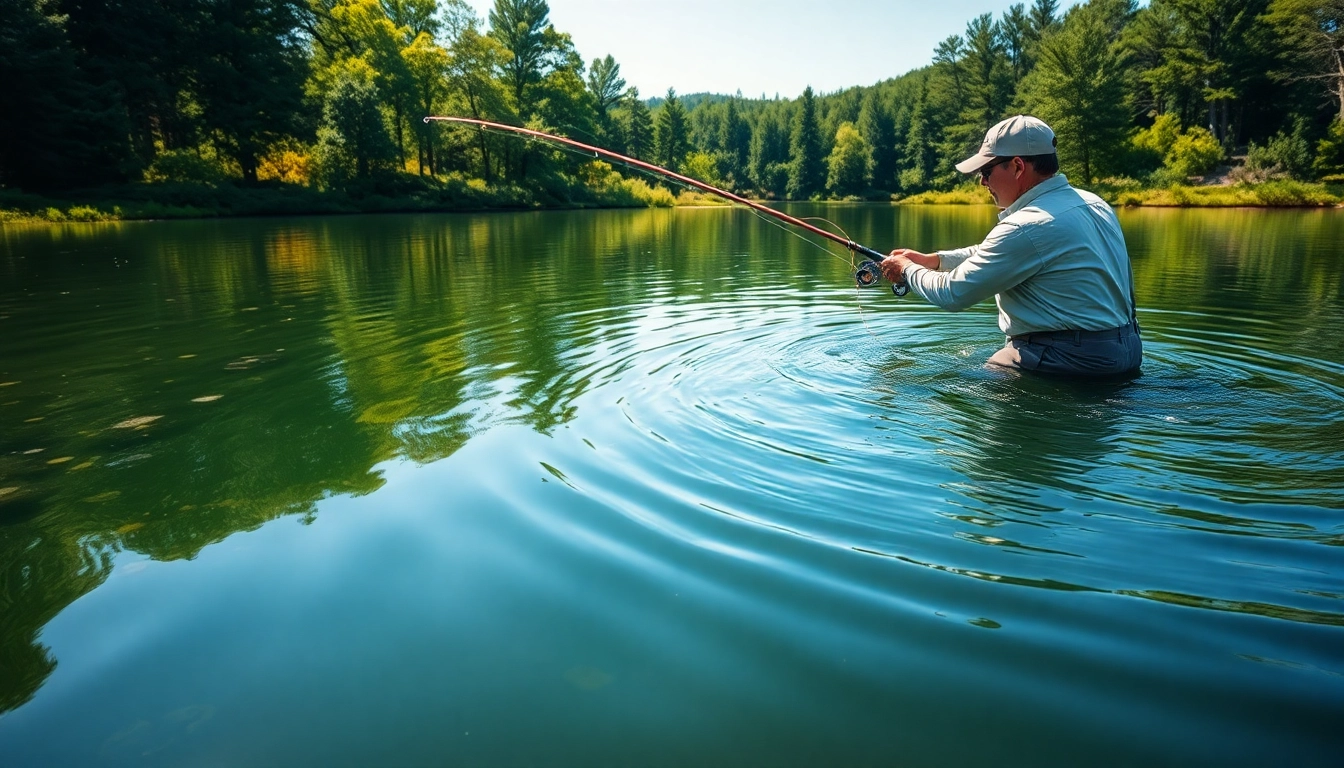
Fly fishing is an art form that combines skill, patience, and a deep understanding of aquatic ecosystems. When it comes to targeting species like bass, fly fishing offers a unique and exhilarating experience, attracting both seasoned anglers and novices. In this article, we will delve into the fly fishing for bass approach, exploring its fundamentals, techniques, and strategies that can enhance your experience and success.
The Unique Appeal of Bass Fishing
Bass fishing, particularly with a fly rod, stands out due to its dynamic nature and the thrill of the catch. Unlike some other freshwater species, bass are aggressive predators, providing anglers with an exciting challenge. Their fighting spirit and acrobatics make every catch an unforgettable experience. Moreover, the bass fishing community is vibrant and supportive, helping newcomers feel welcome while learning the intricacies of the sport. From the serene tranquility of sunrise on the water to the adrenaline rush of a bass striking a fly, the experience caters to both relaxation and excitement.
Essential Gear for Every Bass Angler
Having the right gear is crucial for success in fly fishing for bass. While many anglers tend to invest heavily in high-end equipment, it’s essential to understand the fundamental items you’ll need:
- Fly Rod and Reel: A medium to medium-heavy fly rod, typically between 8 to 9 feet long, paired with a quality reel that has a strong drag system.
- Fly Line: Weight-forward floating fly lines are ideal as they facilitate easier casting and better control over your flies.
- Leaders and Tippet: Use a strong leader to avoid break-offs with aggressive bass. A 10 to 12-pound test is often recommended.
- Flies: Streamers, poppers, and divers are excellent choices. Bass are opportunistic feeders and will strike at various patterns depending on the season.
- Accessories: A solid tackle box, pliers, a landing net, and proper clothing for protection against the elements will further enhance your fishing experience.
Key Techniques to Begin Your Journey
As you begin your fly fishing adventure, there are several fundamental techniques that you should master:
- Double Haul Casting: This technique allows for increased line speed, enabling longer distance casts while maintaining control over the line.
- Presenting the Fly: Understanding how to present your fly in a way that mimics natural prey is vital. You’ll often need to dead drift, strip, or pop your fly to entice a strike.
- Hooking and Setting: Timing is crucial; learn to differentiate between the feel of a bass striking and regular water resistance. A solid hook set is essential.
Best Locations for Fly Fishing for Bass
Identifying Top Freshwater Bodies
Selecting the right fishing location plays a significant role in successful bass fly fishing. Here are prime freshwater locales where bass thrive:
- Lakes: Natural and man-made lakes often have the necessary structure, such as weeds, rocks, and shallow areas, that provides ideal bass habitats.
- Rivers and Streams: Rivers with moderate flows can be great for finding bass, especially in riffles and pools where they may hide.
- Backwaters: Areas where the current is weaker, like back coves and eddies, typically provide warm water and abundant food sources, attracting bass.
Seasonal Considerations and Water Conditions
Understanding seasonal changes can significantly enhance your bass fishing efforts. In spring, bass move into shallower waters to spawn, making them more accessible to anglers. During hot summer months, bass may retreat to deeper, cooler waters or seek shade under structures. Fall sees bass feeding aggressively as they prepare for the winter, while winter fishing can be challenging but rewarding when targeting lethargic fish. Additionally, water temperature, clarity, and current conditions should be monitored, as bass behaviors change accordingly.
Local Regulations and Ethics in Fly Fishing
Every angler must be aware of local fishing regulations, including licensing requirements, size and bag limits, and special restrictions in certain water bodies. Furthermore, practicing ethical fishing ensures sustainable populations and preserves the environment. Always practice catch and release when not keeping fish and refrain from littering or disturbing natural habitats.
Advanced Techniques for Successful Bass Fishing
Mastering Fly Patterns and Selection
Choosing the right fly pattern is pivotal in attracting bass. Beginner anglers often start with patterns like woolly buggers or clouser minnows. However, as you grow in skill, experimenting with complex patterns tailored to specific conditions and prey become essential. Understanding local baitfish species and mimicking their movement can significantly increase your catch rate. Special attention should also be given to color selection based on water clarity and light conditions.
Effective Casting Techniques for Various Conditions
To optimize your presentation, it’s important to adapt your casting technique to various environments. In windy conditions, sidearm casting may provide better accuracy and control, while roll casts are effective for tight spaces such as between branches or under overhanging foliage. Adapting to changing conditions will not only improve your casting ability but also minimize spooking fish.
Understanding Bass Behavior and Movement
Knowledge of bass behavior can elevate your fishing game. Knowing when and where they feed throughout the day helps anglers strategize their approach. Bass tend to follow specific routines based on weather patterns, time of day, and water temperature. During low-light periods, such as early morning or late afternoon, bass are generally more active. Use visual observation and sonar technology to locate schools of fish and adjust strategies accordingly.
Tips for Enhancing Your Fly Fishing Experience
Strategies for Building Patience and Focus
Fly fishing is as much about the experience as it is about the catch. Developing patience is vital, especially when fishing in unproductive spots. Practice mindfulness techniques and concentrate on your surroundings to maintain focus and enjoy the tranquility that fishing offers. Taking breaks to reset can help refresh your perspective and lead to a more productive outing.
Networking with Fellow Anglers and Communities
Engaging with local fishing communities can be incredibly beneficial. Join fishing clubs, attend workshops, and participate in online forums to learn tips and share experiences with other anglers. Building friendships with seasoned fishermen can provide valuable insights and increase your learning curve.
Using Technology to Improve Your Skills
In today’s age, technology can greatly enhance your fly fishing experience. Using apps for weather forecasts, tide charts, and fish activity can provide crucial data. Recording your fishing trips through journaling or using fishing apps helps track successful patterns and improve future strategies. Investing in quality fishing gear with integrated technology, such as GPS and sonar systems, can also aid in successful catches.
Measuring Success: Performance Metrics and Goals
Tracking Your Progress in Fly Fishing for Bass
Continuous improvement is essential in fly fishing. Keeping a journal of your fishing trips, including locations, weather conditions, and catch success, allows for a comprehensive review of what works and what doesn’t. Setting performance metrics, such as the number of days fished or the variety of fly patterns used, can provide a quantitative measure of your development as an angler.
Setting Realistic Fishing Goals
Setting achievable fishing goals can keep your fishing endeavors exciting and focused. Consider aiming to catch a certain number of bass within a year or mastering a new casting technique. Goals ensure structured growth and give you something tangible to strive for, enhancing your overall experience.
Celebrating Achievements and Learning from Failures
Every fishing experience, whether successful or not, is a learning opportunity. Celebrate milestones, such as your first bass on a fly rod or your longest catch. At the same time, reflect on failures to understand what went wrong. Learning from both success and failure creates a well-rounded angler equipped to tackle diverse fishing challenges.