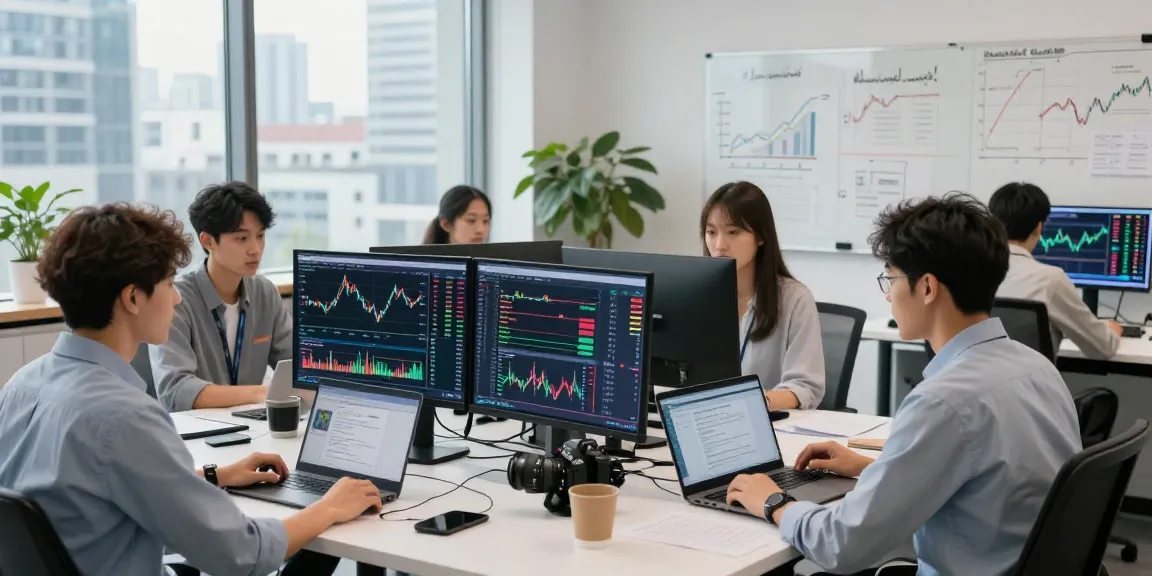
Understanding the Importance of Real-Time EURUSD Live Data Feed
In the fast-paced world of forex trading, obtaining accurate and timely information can be the deciding factor between profit and loss. Among the myriad of currency pairs available, the EURUSD often stands out due to its liquidity and speculative interest. A reliable EURUSD live data feed is essential for traders who wish to navigate this dynamic market effectively. With advancements in technology, accessing real-time exchange rates, market depth, and historical data has never been easier. Understanding how to leverage this information can enhance trading strategies and improve decision-making processes.
What is a EURUSD Live Data Feed?
A EURUSD live data feed is a continuous stream of real-time exchange rate information specifically for the euro to US dollar currency pair. This feed not only provides current pricing but also includes various analytical tools, such as historical data and technical indicators that traders can utilize to forecast future movements. By integrating a live data feed into trading platforms, traders can respond swiftly to market fluctuations and execute trades with precision.
Significance in Forex Trading Strategies
Incorporating a EURUSD live data feed into trading strategies is crucial. Traders depend on instantaneous updates to make informed decisions—be it for day trading, swing trading, or hedging strategies. Accurate data helps traders identify trends, chart patterns, and potential reversals. Additionally, those who engage in algorithmic trading rely heavily on these feeds to automate buying and selling processes based on predefined criteria.
Common Pitfalls for Traders Without Real-Time Data
Traders who operate without a real-time data feed often face several significant challenges. The primary pitfall is the risk of lagging behind market movements, leading to missed opportunities or incorrect trade executions. For instance, if a trader relies on outdated information, they may enter or exit positions at unfavorable prices. Additionally, without real-time data, it becomes significantly harder to analyze market trends, which could lead to poorly informed trading decisions.
Key Features of a Professional EURUSD Live Data Feed
Millisecond-Level Latency Explained
Latency refers to the delay between the market's changes and the data being reflected on a trading platform. Millisecond-level latency is critical in forex trading, particularly for high-frequency traders who execute dozens of trades in a single minute. With ultra-low latency, the EURUSD live data feed ensures that traders receive the most current prices without delays, maximizing their competitive edge in the market.
WebSocket Push vs. RESTful API Queries
A professional EURUSD live data feed can deliver information through various methods, notably WebSocket Push and RESTful API queries. WebSocket Push allows for a continuous, real-time connection that pushes updates to the user, whereas RESTful APIs request data as needed. While WebSocket is ideal for receiving updates instantly, RESTful APIs are beneficial for retrieving historical data or specific queries. Understanding the strengths of each can help traders choose the right technology for their trading needs.
Comprehensive Data Coverage: Beyond Just Currency Rates
While currency rates are essential, a complete EURUSD live data feed includes a wealth of additional information. Traders benefit from access to market depth, which reveals the supply and demand for the currency pair, technical indicators that assist with trend analysis, and economic calendars that provide insights into upcoming economic events likely to affect currency values. This comprehensive data allows traders to make well-rounded decisions.
How to Implement a EURUSD Live Data Feed in Your Trading Platform
Choosing the Right API for Your Needs
Selecting the right API for integrating a EURUSD live data feed is imperative. Factors to consider include the quality of the data, frequency of updates, ease of integration, and cost. Some offerings provide comprehensive documentation and support, which can be vital for developers during the implementation phase. Look for platforms that cater specifically to forex data needs while considering latency, data accuracy, and the volume of currency pairs covered.
Step-by-Step Integration Guide
Integrating a EURUSD live data feed into your trading platform can be accomplished through a systematic approach:
- Choose a suitable API: Assess different providers, focusing on the features that meet your trading strategies.
- Set up an account: Register and obtain API keys that grant access to the desired data.
- Implement the API: Use the provided documentation to code the integration into your platform. This may involve setting up WebSockets or RESTful queries.
- Test the connection: Verify that data is being pulled correctly and the rates update in real-time.
- Monitor performance: After integration, keep an eye on latency and data accuracy to ensure optimal performance.
Best Practices for Utilizing Live Data Effectively
To maximize the benefits of a EURUSD live data feed, follow these best practices:
- Stay informed: Regularly check for updates from your data provider regarding changes in data structure or service.
- Optimize your algorithms: If using automated trading systems, ensure that they are optimized for the latency and data flow.
- Combine data sources: Utilize additional data feeds (such as news or economic indicators) to gain a comprehensive market view.
- Maintain backups: Have alternative sources for critical data in case of connectivity issues.
Real-World Applications of EURUSD Live Data Feed
Case Studies: Successful Trading Platforms
Many trading platforms have effectively utilized EURUSD live data feeds to improve trader outcomes. For instance, a popular trading platform renowned for its high-frequency trading capabilities integrated a state-of-the-art live feed that significantly reduced latency. As a result, traders utilizing their platform reported enhanced execution times and improved profitability during volatile market conditions.
Impact on Decision Making in Real-Time Trading
Real-time data is a game changer for traders. By leveraging an EURUSD live data feed, traders can make decisions based on the latest market dynamics. For example, during a significant economic announcement, those equipped with real-time data can swiftly react to price shifts, adjusting their positions before the market stabilizes. This speed and accuracy can lead to better trading outcomes.
Using Historical Data for Accurate Predictions
Combining real-time data with historical data enhances predictive analytics. Traders can identify patterns and correlations, which might not be visible when only looking at current rates. By analyzing past performance during similar market conditions, traders can make more informed decisions about future movements of the EURUSD pair. Utilizing both data types creates a robust framework for trading strategies.
Future Trends in Forex Trading and Data Feeds for 2026
Emerging Technologies Shaping Forex Markets
Looking ahead to 2026, several emerging technologies are expected to revolutionize the forex trading landscape. Innovations in blockchain technology promise increased transparency and security, while advancements in cloud computing provide more scalable and reliable data access. These technologies will enable traders to harness more effective trading strategies based on cutting-edge data analytics.
How AI and Machine Learning Enhance Data Accuracy
Artificial Intelligence (AI) and machine learning are transforming how traders analyze data. By employing these technologies, traders can improve the accuracy of their predictions based on vast amounts of historical and real-time data. AI algorithms can identify trends and signals that human traders may overlook, leading to more effective trading strategies and optimal decision-making.
Predictions for the Global Forex Landscape in 2026
As we approach 2026, the forex market is anticipated to experience significant changes. With the rise of digital currencies and evolving regulatory frameworks, traders may need to adapt to new paradigms. Additionally, the demand for more sophisticated data feeds will grow, pushing providers to enhance their offerings in terms of speed, coverage, and analytical tools.
What Are the Risks of Relying Solely on Live Data Feeds?
While live data feeds are invaluable, relying on them exclusively poses certain risks. It is essential to remain vigilant about potential discrepancies between feed data and actual market conditions. Furthermore, external factors, including technical failures or server downtimes, can compromise data integrity. Traders must incorporate additional analysis tools and data to mitigate these risks and validate their trading decisions.
How to Maintain Data Integrity and Accuracy?
Ensuring the integrity and accuracy of data is critical for successful trading. This can be achieved by regularly monitoring the performance of data feeds, implementing alerts for abnormal price movements, and cross-referencing data with multiple sources. Establishing a system of checks and balances can greatly enhance the reliability of the information used in trading strategies.