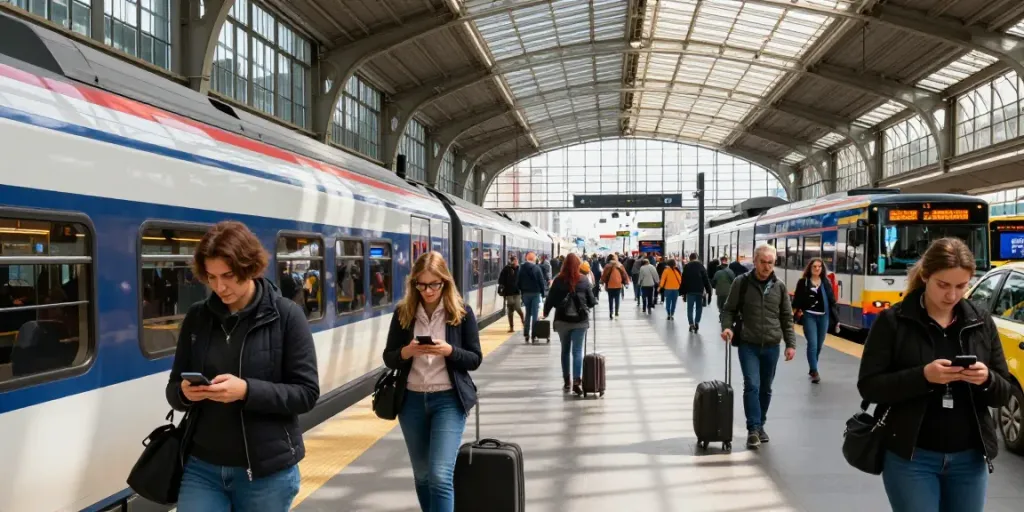
Understanding Transport Delays in Italy
Navigating the complexities of public transportation in Italy can be a daunting task, especially when it comes to managing transport delays. With a myriad of factors influencing travel times, understanding these delays is crucial for commuters, tourists, and logistics managers alike. This article delves into what transport delays are, why they occur, and their ripple effects on daily life across the country.
What Are Transport Delays?
Transport delays refer to the time by which a vehicle, such as a train, bus, or airplane, fails to adhere to its scheduled timetable. These delays can arise from various sources, including operational inefficiencies, weather conditions, maintenance issues, or strikes affecting transportation services. In the context of public transport within Italy, these delays often result in significant inconvenience for commuters who rely on these services for daily travel.
Causes of Frequent Transport Delays
Transport delays can occur due to a wide range of factors, some of which include:
- Weather Conditions: Rain, snow, or fog can severely disrupt transport schedules, leading to delays.
- Infrastructure Issues: Aging infrastructure, such as tracks and signals, can result in operational delays.
- Labor Strikes: Strikes by transportation workers can halt services and lead to widespread delays.
- High Passenger Volume: Overcrowded transport systems, especially during peak hours, can lead to delays as vehicles board and alight.
- Accidents or Incidents: Any accidents, whether involving transport vehicles or passengers, can disrupt schedules.
Impact on Daily Commuters
The impact of transport delays on daily commuters can be profound. For many, being late to work or missing an important appointment can cause not only personal stress but also economic repercussions. In metropolitan areas, these delays can contribute to increased traffic congestion as people opt for alternative means of transport when public services are unreliable. Additionally, the psychological toll of uncertainty can affect commuter satisfaction and overall public trust in the transportation system.
Technology's Role in Managing Transport Delays
In recent years, advancements in technology have played a significant role in reducing the impact of transport delays on daily commuters. The integration of real-time tracking systems and mobile applications allows users to stay informed about service disruptions, leading to better travel planning and reduced frustration.
Apps for Real-Time Updates
Mobile applications have revolutionized the way commuters access information regarding public transport. Apps such as C'è Sciopero provide users with real-time notifications about transport delays, upcoming strikes, and the overall status of services. These tools enable users to adapt their travel plans efficiently and avoid unnecessary delays.
Using GPS and Live Data
GPS technology, when integrated into public transport systems, allows for live tracking of vehicles. This data can be invaluable for commuters, as it enables them to see precisely where their bus or train is at any moment, minimizing wait times and enhancing the travel experience.
Smart City Initiatives and Innovations
Many cities in Italy are investing in smart city initiatives, aimed at improving public transport efficiency. Innovations such as intelligent traffic management systems and digital platforms for public transport information are being implemented to minimize disruptions and enhance the reliability of services.
Strategies for Commuters to Handle Transport Delays
While technology plays a crucial role in managing transport delays, commuters can also adopt several strategies to better navigate travel disruptions.
Planning Ahead: Tips for Commuters
To mitigate the impact of potential delays, commuters should consider the following strategies:
- Check Schedules Regularly: Use mobile apps or websites to check for real-time updates on transport services before leaving home.
- Factor in Delay Times: When planning your journey, allow for extra time to accommodate potential delays.
- Stay Informed: Sign up for notifications from transport services or mobile applications to receive updates about changes in schedules.
Alternative Routes and Transport Options
Commuters should familiarize themselves with alternative routes or modes of transport. For instance, if a train line is experiencing delays, knowing the schedule of nearby bus routes can provide a useful backup plan. Additionally, consider options like cycling or carpooling to circumvent congested public transport routes.
Importance of Staying Informed
Being aware of current transport conditions is crucial for effective travel. Regularly checking news outlets, transportation websites, or community boards can equip commuters with the information needed to avoid unnecessary delays.
Case Studies: Cities Managing Transport Delays
Exploring the strategies employed by various cities in Italy can offer valuable insights into effective practices for managing transport delays. Each city has taken unique approaches to streamline their public transport systems.
Successful Initiatives in Milan
Milan has invested heavily in its public transport infrastructure, emphasizing the need for timely communication regarding delays. The implementation of an integrated transport management system allows for real-time data sharing between different modes of transport, ultimately reducing wait times for passengers.
Lessons from Rome's Transport Management
Rome has faced significant challenges with transport delays, particularly due to its aging infrastructure. However, the city has initiated extensive renovation projects aimed at modernizing the rail and bus systems. By incorporating modern technology and improving signage, the city has successfully improved commuter experiences.
How Naples Improved Commuter Experience
Naples has adopted a multi-faceted approach to managing transport delays, focusing on community engagement and feedback. By participating in public forums and soliciting commuter input, city officials have tailored their transport strategies to meet the needs of the population, resulting in fewer disruptions and greater trust in public transit.
The Future of Transport Delay Management
As Italy moves towards 2026, the landscape of transport delay management is likely to evolve with the integration of emerging technologies and innovative strategies.
Emerging Technologies in 2026
Anticipated advancements in artificial intelligence, machine learning, and IoT (Internet of Things) will play a pivotal role in how transport systems operate. These technologies can predict delays based on historical data, significantly enhancing users' ability to plan their travel routes efficiently.
Predictions for Public Transport Systems
Experts predict that future public transport systems will become increasingly user-centric, providing tailored services based on real-time data and personal preferences. The integration of various transport modes will ensure seamless transitions from one form of transport to another, minimizing delays and improving commuter satisfaction.
Engaging the Community in Solutions
The success of transport management ultimately relies on engaging the community. By involving citizens in discussions about their transport needs, cities can create systems that reflect the actual requirements of commuters, leading to more effective and sustainable solutions.
What are the most common causes of transport delays?
The most frequent causes include weather disruptions, infrastructure issues, labor strikes, high passenger volume, and accidents.
How can I get real-time updates on transport delays?
Real-time updates can be accessed via mobile applications, official transport service websites, and notifications from local news outlets.
What strategies can I adopt to minimize the impact of delays?
Planning ahead, staying informed, and being familiar with alternative routes are essential strategies for minimizing the impact of transport delays.
Are there specific cities known for effectively managing transport delays?
Cities like Milan, Rome, and Naples have implemented various initiatives to manage transport delays effectively and improve commuter experiences.
What technologies are shaping the future of public transport?
Emerging technologies such as AI, IoT, and real-time data tracking systems are expected to revolutionize public transport, enhancing reliability and user experience.