
Home security is a crucial consideration for homeowners, ensuring both safety and peace of mind. While professional systems offer high levels of protection, implementing DIY Home Security strategies can provide robust defense against intruders while being cost-effective. Deep Dive Picks presents a comprehensive guide with practical advice, technology solutions, and expert insights to enhance your home’s protection.
Why Home Security Matters
Home security is more than just installing cameras and alarms; it is a holistic approach that encompasses prevention, awareness, and smart use of technology. A secure home not only protects your family and possessions but also impacts property value and insurance rates. With well-implemented security measures, homeowners can reduce the risk of break-ins and other threats.
Criminals often target homes that appear unattended or easy to access. Overgrown landscaping, unlocked doors, and dark surroundings can attract intruders. By integrating effective DIY home security solutions, you can significantly deter potential threats and increase the safety of your household.
Conducting a Security Assessment
Before making changes, assess your property thoroughly. Walk around your home to identify vulnerable points such as doors, windows, garages, and basement entrances. Check for weak locks, areas with poor visibility, and spots that provide cover for intruders.
Consider both environmental and technological vulnerabilities. Poor outdoor lighting, dense shrubbery, or a lack of surveillance devices can create blind spots. Identifying these weaknesses is the first step toward building a tailored DIY home security plan that strengthens your property against threats.
Reinforcing Doors and Windows
Doors and windows are primary targets for intruders, making their security essential. Install durable deadbolts and high-quality locks on all exterior doors. Reinforce door frames with metal strike plates to resist forced entry.
Windows should feature secure locks and optional security film to prevent shattering. Ground-floor windows benefit from sensors that trigger alerts when opened or broken. Sliding doors can be secured with additional bars or locks designed to prevent lifting or forced entry. These measures form the foundation of effective DIY home security.
Leveraging Smart Home Technology
Modern technology makes home security more accessible than ever. Smart devices such as cameras, motion detectors, and smart locks allow homeowners to monitor and control their homes remotely.
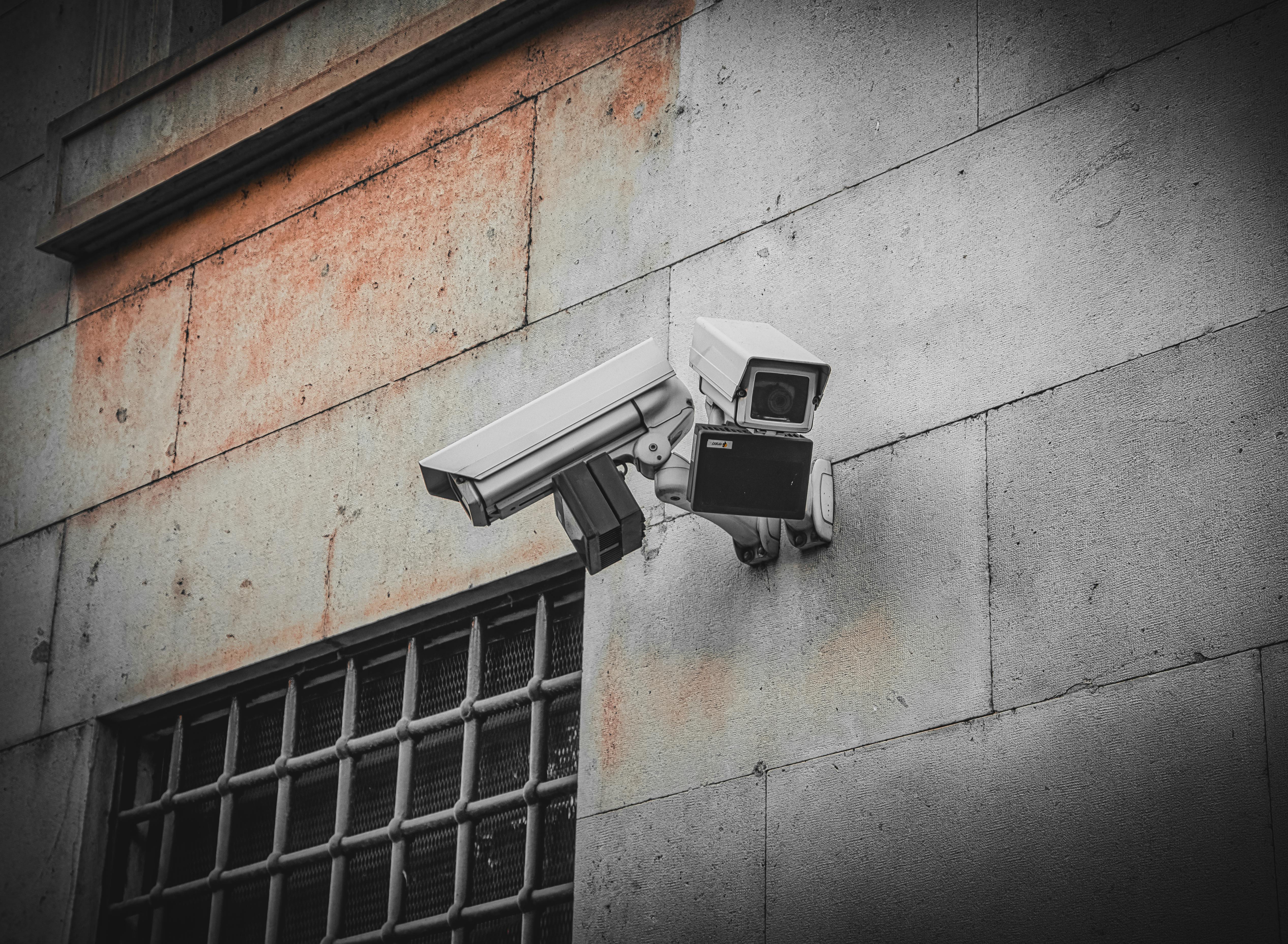
Strategically placed smart cameras provide real-time monitoring and recorded evidence. Motion-activated lighting around the property deters intruders. Smart locks offer keyless entry and temporary access codes for guests or service providers. Combining these technologies ensures a modern, comprehensive DIY home security setup.
Enhancing Outdoor Security
Exterior security is as important as indoor measures. Trim bushes and trees to eliminate hiding spots, and install motion-activated lights to illuminate potential access points.
Fencing creates a physical and visual barrier to intruders, while secured gates prevent unauthorized entry. Features like gravel pathways that make noise when walked upon can serve as an early alert system. By integrating environmental design with technology, you enhance your DIY home security effectively.
Community and Neighborhood Involvement
A strong community network can significantly boost home security. Building relationships with neighbors and participating in neighborhood watch programs increases vigilance and deters crime. Collective awareness ensures unusual activity is reported promptly.
Collaboration with local law enforcement or community patrols adds an extra layer of security. Neighborhood engagement not only prevents break-ins but also fosters a safer environment for everyone.
Protecting Valuables and Information
Safeguarding your property includes securing valuables and sensitive information inside your home. Use anchored safes for important documents, jewelry, and cash. Keep expensive electronics out of sight from windows to avoid temptation.
Digital security is equally important. Protect computers, tablets, and smartphones with strong passwords, two-factor authentication, and regular updates. Combining physical and digital measures ensures holistic home security for both tangible and intangible assets.
Establishing a Security Routine
Consistency is key to effective home security. Create daily habits such as locking all doors and windows, activating alarms, and reviewing surveillance footage. Regular testing of your DIY home security systems ensures they remain reliable.
Seasonal maintenance, such as clearing foliage or checking batteries in sensors, keeps your system functional. A disciplined routine reinforces a proactive approach, reducing vulnerabilities and strengthening overall safety.
Emergency Preparedness and Response
Even with robust security measures, emergencies can occur. Prepare a response plan for break-ins, fires, or medical situations. Designate safe areas, ensure family members understand procedures, and keep emergency contacts accessible.
Alarms linked to local law enforcement can facilitate quick responses. Teaching household members how to react during emergencies, including safe evacuation or hiding strategies, complements your DIY home security system and improves overall resilience.
Cost-Effective Security Measures
Effective home security does not always require expensive systems. Reinforcing doors and windows, installing motion-activated lights, and trimming vegetation are low-cost yet impactful measures.
Affordable smart devices, including cameras and locks, provide advanced monitoring without high costs. By prioritizing vulnerable areas and layering security measures, homeowners can achieve strong protection without overspending.
The Impact of Security Signage
Even subtle indicators of home security can deter potential intruders. Signs indicating alarms, surveillance, or neighborhood watch participation create the impression of constant vigilance.
When combined with physical and technological measures, security signage enhances deterrence and reinforces your home’s protective measures.
Evaluating and Updating Your Security
Regular evaluation ensures DIY home security remains effective. Conduct security audits, test sensors, and review surveillance footage to identify gaps. Professional consultations can provide objective insights and improvement suggestions.
Keeping up with emerging threats and new technologies allows homeowners to refine security strategies. Continuous evaluation ensures that your home remains a safe and resilient environment.
Balancing Convenience with Security
While protecting your home is essential, convenience should not be sacrificed. Smart home devices allow monitoring and control without complicating daily life. Keyless entry, automated lighting, and remote access integrate safety seamlessly.
A DIY home security plan that balances convenience and protection ensures long-term adherence, creating a secure and livable environment.
Integrating Personal Safety Measures
Home security includes personal safety practices. Awareness of surroundings, safe entry and exit habits, and self-defense preparedness enhance overall protection. These measures complement physical and technological security.
Educating household members about safety protocols fosters a culture of vigilance, ensuring both property and personal safety are maintained effectively.
Expanding Your Knowledge on Security
Staying informed is essential for effective home security. Monitor local crime trends, explore new technologies, and follow best practices to improve your home’s safety continuously.
Deep Dive Picks provides research-backed guidance and expert insights to help homeowners implement DIY home security confidently. Knowledge empowers homeowners to take proactive and informed steps in protecting their property.
Conclusion
Implementing effective DIY home security strategies is achievable without costly professional systems. Combining reinforced access points, smart technology, environmental design, personal safety, and community engagement creates a robust security framework. Regular evaluation and proactive maintenance ensure long-term effectiveness, allowing homeowners to enjoy peace of mind and a secure living environment. By adopting these comprehensive measures, your home becomes a safer, more resilient space. You can find more details on our homepage.
Frequently Asked Questions
What are the most effective DIY home security strategies?
Effective strategies include reinforcing doors and windows, installing high-quality locks, integrating smart cameras and sensors, maintaining proper lighting, and eliminating potential hiding spots around your property.
Can smart home devices fully replace traditional security systems?
Smart devices enhance home security and can partially replace traditional systems. For maximum protection, combine them with physical reinforcements and alarms for a layered defense.
How can I secure sliding doors and ground-floor windows?
Install secure locks, use window security film, and add sensors to detect unauthorized access. Sliding doors can be reinforced with bars or specialized locks to prevent forced entry.
How does community involvement improve home security?
Active community participation, such as neighborhood watch programs and communication with neighbors, increases vigilance, deters criminal activity, and facilitates faster reporting of suspicious behavior.
How do I maintain and update my DIY home security system?
Regularly test alarms and sensors, check and replace batteries, update smart device passwords, maintain outdoor lighting, and perform seasonal security audits to ensure all components remain effective and reliable.