
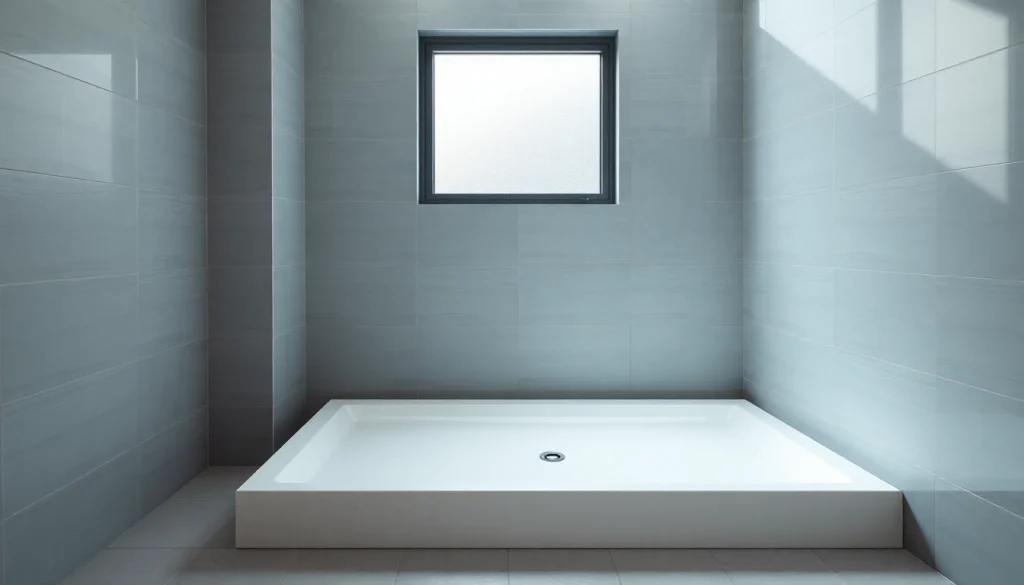
Understanding the Importance of Shower Base in Bathroom Design
A shower base is an essential component of any modern bathroom. This often-overlooked item plays a critical role in both the functionality and aesthetics of your bathroom space. A shower base not only provides a stable and water-resistant foundation but also serves as a design feature that can enhance the overall look of your bathroom. Understanding the various aspects of shower bases helps you make informed choices when planning your shower area.
What is a Shower Base?
A shower base, sometimes referred to as a shower pan, is the floor component of a shower enclosure designed to collect and drain water. Typically made from materials like acrylic, fiberglass, or tiles, the shower base provides a slope towards the drain while ensuring a watertight seal to prevent leaks. With various shapes and sizes available, shower bases can fit seamlessly into different bathroom layouts, from compact spaces to expansive luxury designs.
Benefits of a Quality Shower Base
Investing in a quality shower base offers multiple advantages:
- Durability: High-quality materials ensure longevity, resisting wear and tear over time.
- Water Resistance: Properly designed shower bases provide effective drainage, preventing water accumulation and leaks.
- Ease of Installation: Many contemporary shower bases come with features that simplify the installation process, saving time and effort.
- Design Flexibility: Available in various styles and finishes, a quality shower base can enhance your bathroom’s overall appearance.
- Safety: Many models include slip-resistant surfaces, providing added security while showering.
Types of Shower Bases Available
Various types of shower bases cater to different design preferences and practical requirements:
- Fiberglass Shower Bases: Lightweight and affordable, fiberglass bases are easy to install and maintain but may require more care to prevent scratches.
- Acrylic Shower Bases: Known for their durability and aesthetic appeal, acrylic bases come in various colors and styles and are resistant to stains.
- Tile Shower Bases: Offering extensive customization options, tiled shower bases allow for unique designs; however, they require more maintenance and proper waterproofing.
- Stone Shower Bases: For a luxurious look, natural stone bases can add elegance, but they come with a higher price tag and require regular sealing.
Factors to Consider When Selecting a Shower Base
Measuring Your Bathroom Space
The first step in choosing the right shower base is to accurately measure your bathroom space. Consider both the dimensions of the available area and the design of existing fixtures. Take into account the height, width, and length of the location where the shower base will be installed. This ensures a perfect fit and enhances functionality without compromising accessibility.
Material Choices for Shower Bases
Choosing the right material for your shower base is crucial. Each material has its own set of pros and cons. Fiberglass is affordable and lightweight, while acrylic is more durable and visually appealing. Tile bases offer design flexibility, but they require maintenance to prevent water damage. Stone adds luxury but at a higher cost. Assess your budget, style, and maintenance preferences when selecting the material.
Design Trends in Shower Bases
Staying updated with design trends can help enhance your bathroom’s aesthetics. Currently, minimalist designs with clean lines and subtle colors are popular, paralleling the move towards simplicity in overall home design. Additionally, large-format tiles are increasingly used to create seamless, expansive shower bases that align with modern sensibilities. Combining tech features, such as built-in lighting in the shower area, is also a rising trend.
Installation Tips for Your New Shower Base
Preparing the Space
Before installation, carefully prepare the space to ensure a smooth process. Clear the area of all debris, remove existing fixtures, and check the plumbing and drainage systems. Ensure that the subfloor is leveled and sealed to avoid complications later on. It is advisable to have a professional inspect your preparation to confirm an optimal setup.
Step-by-Step Installation Guide
The installation of a shower base can often be approached by a DIYer. Here’s a step-by-step guide to assist you:
- Assemble Tools and Materials: Gather your necessary tools, which may include a level, waterproofing membranes, silicone caulk, and screws.
- Position the Base: Place the shower base in the intended location, ensuring it is level.
- Secure Plumbing: Connect the plumbing to the drain of the base. Ensure all fittings are watertight.
- Seal Edges: Use silicone to seal the edges where the base meets the wall or floor.
- Finish Plumbing Work: Ensure that the water supply and drainage are functioning correctly before finalizing any additions.
Common Mistakes to Avoid
When installing a shower base, watch out for common pitfalls such as:
- Failing to level the shower base can lead to drainage issues.
- Not sealing joints properly may result in leaks and water damage.
- Skipping plumbing checks can cause problems post-installation.
- Neglecting the manufacturer’s installation guidelines may void warranties.
Maintenance and Care for Your Shower Base
Daily Cleaning Tips
Maintaining a clean shower base is essential for both hygiene and longevity. Use non-abrasive cleaners to wipe down the surface daily. A simple mixture of vinegar and water can effectively clean soap scum without damaging the surface. Regularly check and clean the drain to prevent clogs and ensure proper water flow.
Dealing with Wear and Tear
Over time, a shower base may experience signs of wear and tear. Minor scratches can often be polished out with dedicated repair kits. For deeper damage, consider consulting a professional for advice on repair or replacement options. Regular inspections can help you catch potential issues early.
Long-term Care Strategies
To extend the life of your shower base, consider implementing long-term care strategies. Avoid using harsh chemicals for cleaning, as these can degrade materials over time. Additionally, invest in proper ventilation to minimize moisture accumulation, which can lead to mold growth. Regular inspections and maintenance of seals and drains will also help maximize the longevity of your shower base.
Frequently Asked Questions About Shower Bases
What is the average cost of a shower base?
The average cost of a shower base can range from $200 to $1,000, depending on the material and design. Installation costs might increase total expenses.
Can I install a shower base myself?
While some experienced DIYers can install a shower base, it is often best handled by professionals to ensure proper installation and avoid long-term issues.
What materials are best for shower bases?
Acrylic and fiberglass are popular for their blend of durability and affordability, while tile allows for customization but requires more maintenance.
How to choose the right size shower base?
Measure your bathroom space carefully, considering the dimensions and layout to ensure the shower base complements existing fixtures without overwhelming the area.
Do shower bases require professional installation?
While some may opt for DIY, professional installation is recommended to guarantee appropriate setup and avoid costly mistakes in plumbing and sealing.