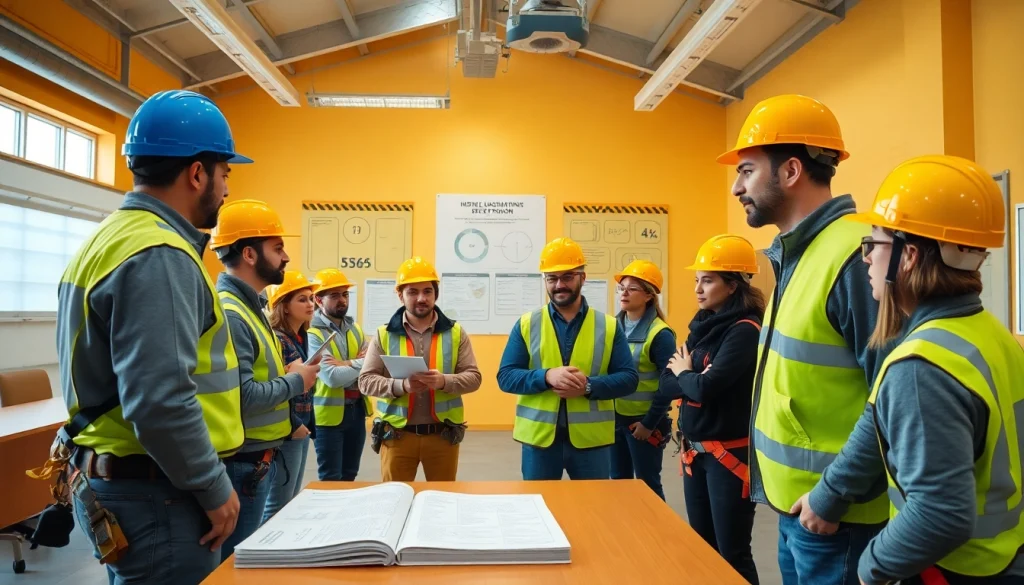
Understanding the Importance of Construction Safety Training
Defining Construction Safety Training and its Objectives
Construction safety training is a comprehensive program designed to educate workers on various hazards associated with the construction environment and the proactive measures they can take to mitigate these risks. The objectives of this training extend beyond mere compliance with regulations; they aim to instill a culture of safety among employees, empowering them with the knowledge and skills needed to identify, avoid, and respond to potential hazards effectively. Through effective training, organizations seek to enhance overall workplace safety, reduce injury rates, and foster a proactive approach to safety management.
Statistics on Workplace Injuries in the Construction Industry
The construction industry is often labeled as one of the most hazardous sectors, with numerous statistics underscoring the gravity of workplace injuries. According to data from the Occupational Safety and Health Administration (OSHA), in recent years, more than 20% of worker fatalities in the United States have occurred in the construction industry. Common injuries include falls, struck-by incidents, electrocutions, and caught-in/between hazards, often referred to as the “Fatal Four,” which collectively account for nearly 60% of all construction worker deaths. These alarming statistics accentuate the dire need for comprehensive construction safety training tailored to address the specific risks associated with construction work.
Legal Requirements for Construction Safety Training
Compliance with legal requirements for construction safety training is not optional; it is mandatory for employers. OSHA regulations stipulate that employers must provide training and ensure that employees are aware of the hazards they may face on the job site. Specific training requirements vary by task, but all workers are required to receive training in fall protection, scaffolding, and other relevant areas. Additionally, state-level regulations may impose stricter standards. Employers are accountable for documenting training sessions and ensuring that all employees are adequately trained before they are permitted to perform their duties on construction sites.
Key Components of Effective Construction Safety Training
Curriculum Development: What to Include
Developing a robust curriculum for construction safety training is crucial for the success of any safety program. Effective training programs should cover a range of topics tailored to the specific construction tasks employees will perform. Essential subjects include:
- Hazard Recognition: Training should focus on identifying common hazards in construction, including falls, electrical hazards, and equipment-related risks.
- Personal Protective Equipment (PPE): Instruction on the proper usage and maintenance of PPE such as helmets, gloves, and safety goggles is mandatory.
- Safety Protocols and Procedures: Including the establishment of standard operating procedures (SOPs) for various tasks can greatly enhance safety.
- Emergency Response: Employees must be trained on how to react in emergencies, including evacuation procedures and first aid.
- Health Hazards: Instruction on recognizing and mitigating health-related risks like exposure to asbestos or hazardous materials is also critical.
Training Delivery Methods: On-site vs. Virtual Training
The delivery of safety training can significantly influence its effectiveness. Traditional on-site training provides hands-on experience and immediate feedback, allowing trainees to practice skills in a controlled environment. This method fosters a direct connection between trainers and workers and offers real-time analysis of scenarios. However, virtual training has gained popularity due to its flexibility, allowing employees to engage in training at their convenience. Advanced technologies such as webinars, e-learning platforms, and even immersive training through virtual reality offer innovative ways to disseminate critical safety information. Organizations must consider their workforce’s needs and the resources available when selecting a training method.
Essential Safety Equipment for Training Sessions
Equipping training sessions with proper safety equipment is vital for realism and effective learning. Training environments should simulate actual job conditions as closely as possible. Essential equipment may include:
- Demonstration Tools: Tools and equipment that workers will handle should be used during training demonstrations.
- PPE Kits: Ensure access to the correct PPE to demonstrate proper usage, maintenance, and the importance of compliance with safety regulations.
- Safety Signage: Utilize safety signs and labels to reinforce training lessons visually.
- Mock-up Work Areas: Creating safe mock-up environments where participants can practice safety procedures can build confidence and competency.
Best Practices for Implementing Construction Safety Training
Creating a Safety Training Schedule
Establishing a well-structured training schedule is crucial for maximizing participation and ensuring compliance with regulatory timelines. A successful safety training program should incorporate regular sessions that refresh and update workers’ knowledge. Employers should consider the following best practices:
- Regular Training Intervals: Conduct safety training sessions on a routine basis—such as monthly or quarterly—to keep safety fresh in employees’ minds.
- Onboarding Training: New hires should undergo comprehensive safety onboarding to ensure they start their jobs with a strong understanding of safety protocols.
- Documented Training Records: Maintain detailed records of training sessions to ensure compliance and facilitate evaluations of program effectiveness.
- Integration with Other Training: Incorporate safety training into other job training programs to ensure consistent messaging around safe practices.
Engaging Workers: Techniques for Active Participation
Engaging workers during safety training sessions is essential for retention and application of knowledge. Active participation techniques can include:
- Interactive Activities: Use role-playing scenarios, group discussions, and hands-on practice to make sessions more engaging.
- Quizzes and Games: Incorporate quizzes, contests, and interactive games related to safety topics to make learning fun and energizing.
- Open Discussions: Encourage input from participants about their experiences and questions to create a dialogue and enhance understanding.
- Incentives for Participation: Provide incentives for participation and assessments to motivate workers and appreciate their effort in striving for safety.
Continuous Improvement: Gathering Feedback and Adjusting Programs
The journey of safety training does not end once a session is completed. Continuous improvement of training programs is vital to stay relevant and effective. Employers should gather feedback through:
- Surveys and Questionnaires: Distributing surveys to gauge participants’ understanding and satisfaction can reveal areas needing enhancement.
- Feedback Sessions: Schedule follow-up discussions with participants to gain deeper insights into the training’s applicability in real job scenarios.
- Performance Metrics: Analyzing safety incident data before and after training can help identify the training’s effectiveness and areas requiring adjustments.
Assessing the Effectiveness of Construction Safety Training
Measuring Knowledge Retention and Skills Application
Effective assessment of construction safety training examines both knowledge retention and skill application. Employers must implement various evaluation strategies, such as:
- Pre-and Post-Training Evaluations: Conduct tests before and after training sessions to measure knowledge gained.
- On-the-Job Observations: Supervisors should observe employees in action to ensure that safety protocols are being applied correctly.
- Job Performance Metrics: Analyze incidents and near-misses to gauge the practical application of training content in the workplace.
Post-Training Evaluations: Techniques and Tools
Post-training evaluations are essential for ensuring that knowledge has been absorbed and can be applied on the job. Effective evaluation techniques can include:
- Formal Tests: Use written or practical exams to assess knowledge retention among participants.
- Scenario-Based Assessments: Challenge workers to handle simulated emergencies or hazard recognition scenarios as a practical evaluation tool.
- Feedback Forms: Collect qualitative data on how participants felt about the training and its relevance to their actual job tasks.
Analyzing Incident Reports to Gauge Impact
A critical aspect of assessing the effectiveness of safety training is analyzing incident reports from the workplace. By reviewing data on accidents and infractions, companies can gauge whether training has successfully lowered injury rates and increased safety adherence. Key metrics may include:
- Reduction in Accidents: Compare the frequency and severity of incidents before and after training implementation to assess its impact.
- Near-Miss Reporting: An increase in reported near-misses may indicate that workers are more aware of hazards post-training.
- Compliance Audits: Regularly evaluate compliance with safety protocols, checking if trained workers are adhering to safety measures.
Future Trends in Construction Safety Training
Technological Innovations: Virtual Reality in Training
The construction industry is witnessing a technological revolution, with virtual reality (VR) gaining traction as an innovative training tool. VR simulations provide a safe environment where workers can practice handling hazardous situations without real-world consequences. Benefits of utilizing VR for safety training include:
- Risk-Free Learning: Employees can engage in high-risk scenarios, improving their skills without the danger of real-world injuries.
- Immersive Experience: The immersive nature of VR aids memory retention, allowing for better recall when faced with real hazards.
- Measurement of Performance: VR platforms can track user interactions, providing valuable data for assessing learner performance and areas for improvement.
Shifting Industry Standards and Regulations
As societal expectations around workplace safety evolve, so too do industry standards and regulations. Employers must stay abreast of changes in regulatory guidelines from bodies such as OSHA and local governing agencies. Ongoing training and development will become crucial as regulations adapt to new technologies and methodologies in construction. Staying informed and compliant can help prevent costly penalties and reinforce a company’s commitment to worker safety.
How to Stay Ahead of Industry Changes
To remain competitive in the rapidly evolving field of construction safety, organizations must commit to continuous learning and adaptation. Strategies for staying ahead include:
- Professional Development: Encourage leadership and safety personnel to attend workshops and conferences on the latest safety innovations and regulatory updates.
- Networking with Industry Peers: Join professional associations or safety councils to stay informed about best practices and emerging trends.
- Regular Training Reviews: Continually revisit and update training materials to reflect the latest safety practices and technological advancements.