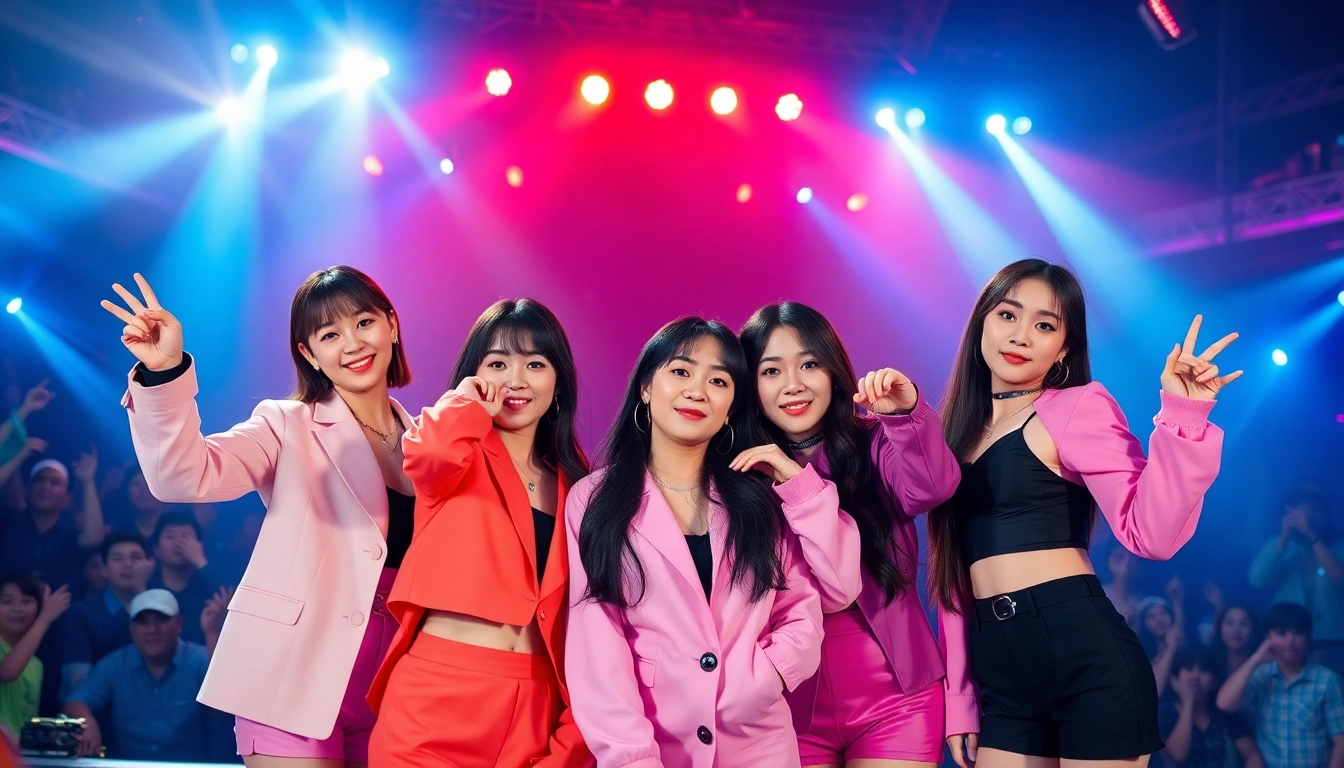

Introduction to Carolina Dance
The rhythm of the Carolinas pulses with a rich tapestry of cultural expression, and the Carolina Dance is one impressive way it showcases that vibrancy. More than just a collection of steps or styles, Carolina Dance encapsulates a blend of tradition, community, and individual expression. As we delve into this captivating form of artistic interaction, we’ll unlock its meanings, its history, the fundamental techniques required, how to get started, and ultimately, the flourishing community surrounding it.
What is Carolina Dance?
Carolina Dance refers broadly to a variety of social dance forms originating from the Carolinas, particularly the Carolina Shag, which is renowned for its smooth style and connection to beach music. The term “Carolina Dance” encompasses different styles and cultural influences that originated in the region, highlighting a community-centric approach to the art form. It’s characterized by lively footwork, rhythmic patterns, and often the joy of interacting directly with fellow dancers.
Historical Roots and Cultural Significance
The roots of Carolina Dance date back to the early 20th century when different music styles began to flourish in the region, including jazz, swing, and rhythm and blues. Those genres melded into local dance forms influenced by African American culture and community gatherings.
The Carolina Shag, specifically, blossomed in the mid-1900s as dancers began to establish a unique identity within the broader swing family. It gained traction through beach music, which epitomizes the carefree spirit of summer and coastal living.
Carolina Dance serves as a mirror reflecting social changes, allowing for connections that transcend generations and cultures. The vibrant dances fostered relationships and social cohesiveness, creating a tight-knit community that celebrates identity and shared joy.
Different Styles within Carolina Dance
In the broad spectrum of Carolina Dance, various styles coexist, each with distinctive characteristics:
- Carolina Shag: A partner dance characterized by its smooth, flowing movements and often danced to beach music. The Shag is particularly popular in the coastal areas of North Carolina.
- East Coast Swing: An energetic and lively dance style that can be danced in various tempos, using basic steps that offer improvisational freedom.
- West Coast Swing: A smooth and progressive dance that focuses on connection between partners, allowing for a dynamic interpretation of rhythms.
- Ballet and Contemporary Dance: While less common under the umbrella of Carolina Dance, these styles often incorporate jazz elements reflecting the cultural influences of the region.
Fundamentals of Carolina Dance
Basic Steps and Techniques
To master the art of Carolina Dance, it’s crucial to develop a strong grounding in its base steps. For instance, in Carolina Shag, two primary steps include the “basic step” and the “break step.” Learning these foundational ones paves the way to creating captivating routines.
1. The Basic Step
The basic step involves a combination of step forward, step back, and shifting weight, which creates a rhythmic pattern guiding subsequent movements.
2. The Break Step
The break step allows for energetic transitions, where dancers create space between profiles and re-engage by taking a signature step. It’s pivotal for transitioning between moves smoothly.
Essential Posture and Balance
Effective posture plays a vital role in Carolina Dance. Maintaining a strong core and relaxed shoulders helps to achieve better balance and control. Here are key elements to focus on:
- Alignment: Ensure that your center of gravity is well-aligned over your feet; this balance facilitates quick movements and stylish transitions.
- Frame: Keep a relaxed but strong frame with your partner, vital for leading and following.
- Body Movement: Allow your body to translate the music through slight shifts in weight and subtle movements to enhance your dance’s fluidity.
Music Selection for Carolina Dance
Music sets the tempo in Carolina Dance, and selecting the right tracks is crucial for enjoying the experience fully. Beach music, with its up-tempo and lively rhythms, is often considered the heart of Carolina Shag. When selecting music, consider:
- Style: Different styles of Carolina Dance may prefer various musical forms, so choosing a track that aligns with those nuances enhances the dancing experience.
- Tempo: For beginners, starting with mid-tempo songs allows for better pacing as skills develop.
- Familiar Tunes: Employing well-known tracks can encourage a playful atmosphere, enhancing musicality and interaction within a dance setting.
Learning Carolina Dance
Finding Classes and Workshops
Getting started in Carolina Dance is as accessible as finding the right classes or workshops. Most community centers, studios, and dedicated dance spaces offer classes tailored for different skill levels. Engaging with local communities can lead you to resources where passionate instructors share their expertise. Here are steps to finding a suitable class:
- Search for local dance studios or community centers.
- Check social media groups focused on local dance scenes.
- Attend dance-related events to meet instructors.
Online Resources and Tutorials
The digital age has empowered dancers around the globe due to the abundance of online resources. Tutorials, videos, and virtual workshops cater to beginners and seasoned dancers alike. Popular platforms include:
- YouTube: Many talented dancers and instructors post celebratory footage and lessons.
- Social Media: Platforms like Instagram and TikTok have vibrant dance communities sharing short tutorials and challenges.
- Dance Websites: Websites dedicated to dance often host in-depth instructional videos or online classes featuring various dance styles.
Tips for Beginners
As a newcomer to Carolina Dance, it can be intimidating to step onto the dance floor. Here are practical tips to ease the learning process:
- Practice Regularly: Consistency in practicing foundational steps and techniques solidifies your comfort level and ability to execute movements.
- Dance with Various Partners: Engaging with different partners provides diverse perspectives and helps you adapt your style.
- Record Yourself: Watching your performances can highlight areas of improvement and increase awareness of your movements.
Community and Events
Local Carolina Dance Gatherings
A thriving community surrounds Carolina Dance, frequently hosting various gatherings, meet-ups, and social dances. These events play a vital role in fostering connections among dancers. Engaging with local dance scenes offers the chance to build friendships and enhance your skills in a relaxed atmosphere.
1. Dance Nights
Many venues host regular dance nights where enthusiasts of all levels can join in for an evening of fun, teaching, and socializing.
2. Dance Festivals
Carolina Dance often celebrates its heritage through music festivals or dedicated dance events that feature workshops, competitions, and performances.
Competitions and Showcases
Competitions and showcases provide a platform for dancers to exhibit their skills and creativity. Engaging in friendly competitions invites valuable opportunities to learn, grow, and connect with other dancers.
1. Dance Competitions
Participating in local dance competitions not only tests your skills but also provides constructive feedback from judges and peers.
2. Showcasing Events
Joint performances and showcases allow dancers to reveal their creativity, possibly collaborating with friends to create significant routines.
Spotlight on Notable Carolina Dance Groups
The Carolina Dance scene thrives because of numerous groups and clubs dedicated to promoting various styles. Many community organizations foster talent and enthusiasm to enlighten the next generation of dancers. When exploring local dance events, consider engaging with:
- Local Clubs: Many clubs offer classes and opportunities for social interactions.
- University Teams: Many academic institutions host dance teams that encourage both competitive and social activities.
Advanced Techniques and Performance
Choreography Tips for Dancers
Developing and executing choreography enables dancers to express their creativity fully. Here are important considerations for creating impactful routines:
- Theme Selection: A compelling theme enhances storytelling within choreography.
- Incorporate Levels: Different floor levels (elevating or lowering) can add visual excitement.
- Collaborative Effort: Collaborating with fellow dancers expands the creative process and can lead to unique expressions.
Improvisation in Carolina Dance
Improvisation stands at the heart of Carolina Dance, allowing dancers to communicate emotions and personality effortlessly. This art form encourages spontaneity, fostering creativity and exploration.
To develop improvisational skills, try incorporating these strategies:
- Listen to the Music: Allow musical nuances to guide your movements; respond to changes in tempo, dynamics, and rhythm.
- Emphasize Body Movement: Experiment with various movements to see what feels authentic.
- Engage With Your Partner: Use connection with your partner to navigate improvisational spaces, making the experience dynamic.
Performance Opportunities and Pathways
Dancers eager to push their boundaries should explore performance opportunities that enhance their skills and boost their confidence:
- Local Dance Festivals: Participating in festivals allows for visibility among peers while honing performance techniques.
- Community Events: Engaging in performances at local events or fairs can introduce your skills to broader audiences.
- Join a Performance Group: Seeking a place within established performance groups allows for guided opportunities to enhance your stage presence.
Conclusion
In summary, Carolina Dance is not merely a series of steps or dances but a deep-seated cultural expression that celebrates community, history, and individual artistic exploration. By understanding its roots, diving into its fundamentals, and engaging with the expansive community surrounding it, dancers can not only develop their skills but also become part of the rich narrative woven through Carolina’s vibrant dance culture.